

The signs of high testosterone are easy to mistake for progress. A patient came in last month convinced his therapy was finally dialled in — energy up, lifts up — but his face flushed red after ten minutes on the bike, and his trough level came back at 1,480 ng/dL. Too much of the hormone creates its own set of problems, and nearly all of them trace back to two things: what your body converts the surplus into, and what it does to your blood.
The signs of high testosterone men notice first
The signs of high testosterone usually arrive as a cluster rather than one at a time, typically four to eight weeks after a dose goes up. The ones we hear about most often:
- Acne on the shoulders, chest and upper back. Androgens drive sebum production, and the oil glands on the trunk react hardest.
- Puffiness and weight that isn’t fat. Sodium and water retention can add two or three kilos inside a fortnight.
- Sore or swollen nipples. Often the earliest hint that aromatisation has outpaced everything else.
- Broken sleep. Waking at 3am, or snoring loudly enough that your partner mentions it.
- A shorter fuse. Restlessness and irritability, not the cartoonish rage of internet legend.
- Headaches, dizziness, a ruddy face. These point at red blood cells rather than hormones.
Almost nobody collects all six. What matters is the pattern: the signs of high testosterone tend to appear together, in step with a dose change. A single symptom on its own tells you very little. If you’re weighing this against the opposite picture, our guide to the signs of low testosterone in men covers the other end of the range.
Which testosterone numbers actually count as high?
Symptoms are the prompt; bloodwork is the answer. Harmonised laboratory ranges put normal total testosterone in adult men at roughly 264–916 ng/dL. Most prescribers aim for the middle of that band at trough — the lowest point, just before your next dose — which usually lands somewhere between 500 and 800 ng/dL. A trough above about 1,000 ng/dL is where we start asking questions. Above 1,500, the conversation changes entirely.
Timing is where men get tripped up. Draw your blood two days after a Monday injection and the number will look alarming even on a perfectly reasonable protocol. Draw it the morning before your next shot and you get something you can actually act on. Total testosterone alone is also a blunt instrument; SHBG shifts how much of it is biologically available, which is why we read it alongside free versus total testosterone.
Two other markers matter more than the testosterone value itself. Haematocrit is the big one — the Endocrine Society clinical practice guideline treats a haematocrit above 54% as a reason to pause therapy and restart lower, and testosterone treatment raises the risk of crossing that line roughly eightfold compared with placebo. Estradiol is the other. When it climbs alongside the testosterone, you get the fluid retention and breast tissue changes that make up several of the classic signs of high testosterone. We’ve written separately about TRT and haematocrit and about managing estrogen on TRT.
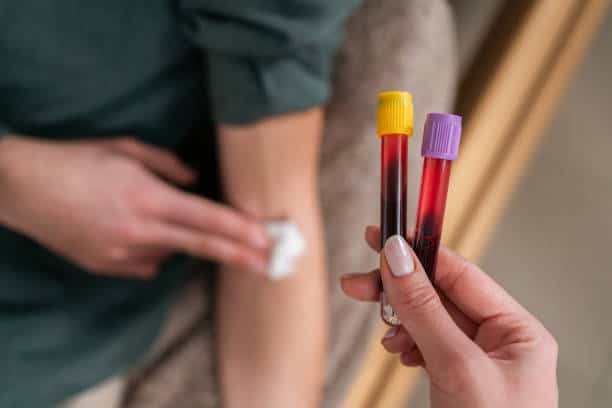
Why the signs of high testosterone usually point to your dose
Here’s the part that surprises men: the body almost never overproduces testosterone on its own, so the signs of high testosterone are usually a protocol problem rather than a medical mystery. When a level comes back high, the cause is nearly always something going in — and usually it’s the size or the spacing of the dose rather than the drug.
A single 200 mg injection once a week produces a sharp peak in the first 48 hours, then a long slide. That peak is what drives aromatisation and pushes red cell production, even if your trough looks respectable. Splitting the same weekly total into two smaller injections flattens the curve considerably, which is why we discuss injection frequency with almost every patient who reports these symptoms. Pellets and long-acting esters have the same issue in slower motion.
Suppression is the other consequence. High exogenous testosterone shuts down LH and FSH, the testes stop producing, and sperm counts fall — sometimes to zero. That’s reversible for most men, but it’s a real consideration if fertility is on the table, and it’s covered in more depth in our piece on TRT and fertility.
When high testosterone isn’t coming from a prescription
Sometimes the signs of high testosterone have nothing to do with a clinic dose at all. Men self-sourcing from gyms or the internet often run several times a therapeutic amount, and stacking hCG on top pushes the whole system harder. Occasionally a man arrives on a supervised protocol who has quietly been adding to it.
Genuine endogenous causes exist but are rare — Leydig cell tumours, adrenal tumours, congenital adrenal hyperplasia — and they usually come with other findings that make themselves known. If your level is high and you’re taking nothing, that warrants a proper endocrine workup rather than a shrug. Untreated, persistently elevated levels also worsen obstructive sleep apnoea and can accelerate gynecomastia.
How to bring high testosterone down without stopping treatment
The fix for the signs of high testosterone is rarely dramatic. In most cases we cut the weekly dose by 20–30%, split it across two injections, and recheck bloods at six to eight weeks — hormones need that long to settle, and rechecking earlier just produces noise. Symptoms like acne and puffiness typically fade within a month of the adjustment.
If haematocrit is the problem, dose reduction does most of the work. Therapeutic phlebotomy gets used as a stopgap, though the evidence for routine blood removal is thinner than most men assume, and it can drive iron deficiency if repeated. Aromatase inhibitors have a place when estradiol is genuinely high and symptomatic, but crushing estrogen creates a different set of problems — joint pain, low libido, poor bone health.
What you shouldn’t do is stop abruptly the moment you spot the signs of high testosterone. Coming off cold turkey drops you into a suppressed state with none of the benefit and all of the crash.
If any of this sounds like your last set of labs, bring them in. The team at Boost Health Clinic reviews testosterone replacement therapy protocols every day, and a well-run programme should leave you feeling steady — not flushed, swollen and awake at three in the morning.
Need blood work? See our blood tests for men in Indonesia, available as blood tests in Bali and blood tests in Jakarta.
Testosterone replacement therapy near you: TRT in Bali · TRT in Jakarta
This article is general information and not medical advice. All treatments mentioned require assessment by a qualified doctor.