
TRT and estrogen sit at the center of one of the most misunderstood conversations in men’s hormone health. A lot of men start testosterone therapy expecting their estrogen to drop, but the opposite often happens: testosterone converts to estradiol through an enzyme called aromatase, and levels can climb above the healthy range. Learning to manage that is essential for safe, sustainable therapy. Here’s what changes during treatment, why estradiol matters in men, and how clinicians at Boost Health Clinic keep patients balanced instead of swinging between extremes.
Why estrogen rises during TRT
The body uses aromatase to turn testosterone into estradiol, the main form of estrogen in men. Since TRT raises circulating testosterone, more substrate becomes available for the enzyme, so estradiol typically climbs once therapy begins. Body composition also plays a part: adipose tissue carries extra aromatase, which is why heavier men often convert more testosterone into estrogen.
Signs your estradiol is off balance
Men whose estradiol climbs too high often notice puffiness, water retention, nipple sensitivity, mood swings or weaker erections. Men with crashed estradiol report the near-opposite: joint pain, low libido, dry skin and fatigue. Both extremes feel oddly similar at first glance, which is exactly why lab work is critical rather than guesswork. Chasing very low estrogen with aromatase inhibitors often leaves men feeling worse than before therapy, and our guide on low testosterone and joint pain explains the link between hormones and joint comfort in more detail.
How TRT and estrogen interact in the body
Testosterone and estradiol act like dance partners, not opponents. Testosterone drives muscle synthesis, red blood cell production and sexual desire, while estradiol supports bone strength, cardiovascular health and mood. Neither works well alone. Some clinicians aim for an estradiol in the upper twenties, since that band often correlates with better libido, mood and joint comfort, and according to research indexed on PubMed, estradiol plays an essential role in male health rather than being a hormone to eliminate.
How clinicians monitor TRT and estrogen
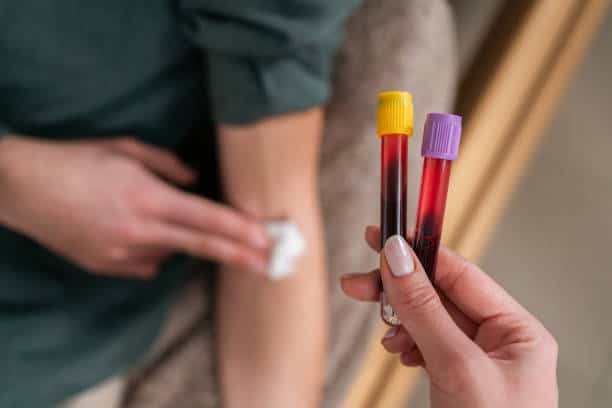
Before therapy, clinicians draw a baseline panel that includes total testosterone, free testosterone, sensitive estradiol, hematocrit, PSA and a lipid panel. After six to eight weeks, the panel is repeated to show where the body has settled, and dose adjustments follow if needed. The sensitive estradiol assay matters because the older immunoassay tends to over-report results in men, and according to Mayo Clinic guidance on male hypogonadism, accurate hormone measurement guides safer dosing, so doctors base decisions on real numbers rather than assay artifacts. Hematocrit rises on therapy too, which is why we cover TRT and hematocrit separately, and heart-health markers deserve attention as well, so see TRT and heart health for a deeper dive.
Strategies for managing TRT and estrogen levels
Most men don’t need an aromatase inhibitor, since simple protocol tweaks usually solve the problem. Switching from once-weekly to twice-weekly injections smooths out hormonal peaks, and our note on TRT injection frequency covers why. Cutting back on alcohol and losing body fat both lower aromatase activity, and supporting liver health helps the body clear excess estrogen efficiently. When estradiol still runs high, clinicians may add a low dose of anastrozole, though this medication needs careful titration because too much crashes estradiol, so lab work guides every adjustment rather than symptoms alone. For men who want to preserve fertility while raising testosterone, HCG with TRT and protocols like combining clomid and testosterone deserve consideration, and the TRT 12-week timeline gives a realistic view of what to expect during the first three months.
When to talk to a clinician
If you notice puffiness, tender nipples, mood swings or libido changes after starting therapy, ask for a sensitive estradiol test rather than adjusting anything on your own. Good hormone care is steady monitoring and proactive side-effect management, not chasing a number. If you’re considering therapy or already on it and feel off, book a consultation today, and together we’ll review your numbers, symptoms and goals before adjusting anything.
Considering treatment? See how doctor-led testosterone replacement therapy works at Boost Health Clinic in Indonesia.
Testosterone replacement therapy near you: TRT in Bali · TRT in Jakarta
Related reading: What Are the Signs of High Testosterone in Men?
This article is general information and not medical advice. All treatments mentioned require assessment by a qualified doctor.