
TRT and heart health sit at the center of one of the longest debates in men’s medicine, and for many men that single worry has decided whether they even consider testosterone therapy. The science has moved on, though. A large 2023 cardiovascular safety trial called TRAVERSE finally handed clinicians clear data, so the conversation today is about how to use TRT safely, not whether to use it at all. Here’s what the evidence shows and how to lower your risk on therapy.
Why men worry about TRT and heart health
For years, two small studies tied TRT to possible heart harm, and those reports pushed the FDA to add a label warning to testosterone products in 2015. The studies had design flaws, and later analyses challenged their conclusions, but the warning still shaped how doctors and patients saw therapy. Many men with classic symptoms delayed treatment because they feared a heart risk that the early data never really proved.
What the TRAVERSE trial found
TRAVERSE randomized more than 5,000 men aged 45 to 80 with low testosterone, each with existing or likely cardiovascular disease. Half got testosterone gel and half got placebo, and after about 22 months the study found no meaningful difference in major cardiac events. It did flag a few side effects worth knowing: men on therapy showed slightly higher rates of pulmonary embolism, atrial fibrillation and acute kidney injury. So TRT isn’t free of risk, but the major fear of cardiac death appears unfounded, and the result gave clinicians the reassurance they’d waited a decade to see.
Heart changes worth tracking on testosterone therapy
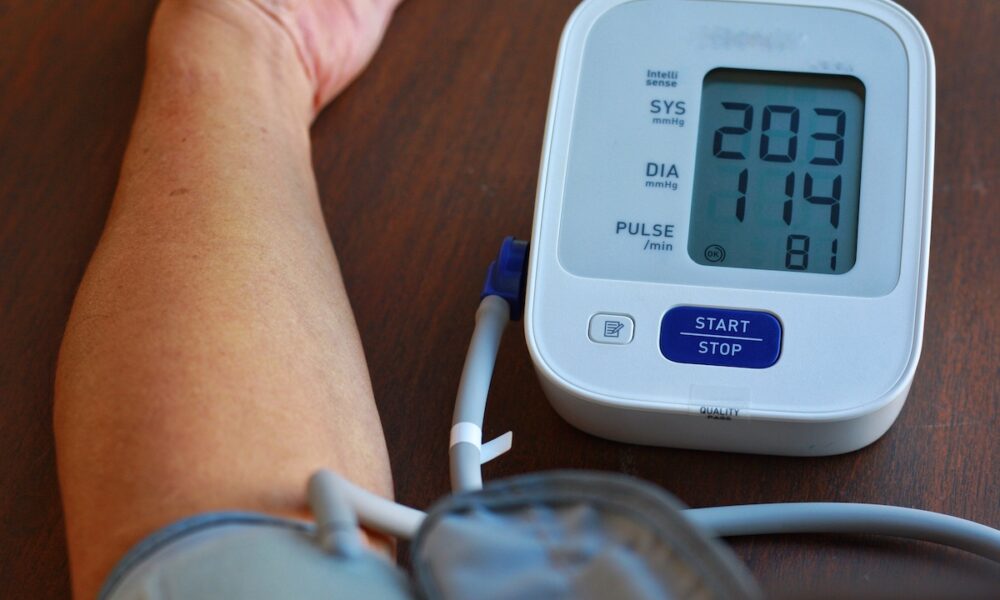
Testosterone shifts several markers that touch the heart. It can raise hematocrit, which thickens the blood and may increase clotting risk, so your clinician should check a complete blood count every few months during the first year. TRT can also nudge blood pressure in some men, which is where regular home readings help catch a rise early, and lipid panels can change, though the effect is usually small. The atrial fibrillation signal from TRAVERSE means men with prior arrhythmias should tell their cardiologist before starting. For more on these labs, see our guide on TRT and hematocrit.
How clinicians lower cardiovascular risk on TRT
Good TRT care is layered. A thorough baseline workup screens for hidden heart disease, clotting disorders and uncontrolled blood pressure, and the clinician then picks the lowest effective dose, since higher doses raise red blood cell counts faster. Many clinics now favour smaller, more frequent injections to keep levels steady, and our note on TRT injection frequency explains why that helps.
How to protect your heart on therapy
Therapy works best alongside lifestyle work. Regular aerobic exercise lowers resting blood pressure and improves vascular function, while strength training sharpens insulin sensitivity, which also helps the heart. A Mediterranean-style diet rich in vegetables, fish and olive oil reduces inflammation, and sleep is the next lever, since poor rest raises blood pressure and stress hormones, so aim for seven to eight hours a night. Limiting alcohol and stopping smoking remain the highest-impact moves any man on TRT can make. For practical steps, see our post on testosterone and high blood pressure.
When TRT may not be right for your heart
Some men should pause before starting. Anyone with a heart attack, stroke or unstable angina in the past six months should wait until a cardiologist clears them. Men with untreated severe sleep apnea may worsen the condition on testosterone, which in turn strains the heart, and men with a history of deep-vein thrombosis or pulmonary embolism need careful counseling because of the TRAVERSE clotting signal. For a wider safety overview, read is TRT safe and our TRT 12-week timeline. An honest pre-treatment review matters more than any single number. To learn more, see how TRT works or our guide to testosterone cypionate.
References: TRAVERSE Study (NEJM, 2023); National Institute on Aging — Testosterone Therapy; PubMed — Testosterone Cardiovascular Outcomes Review. Related: cardiovascular health is also tied to micronutrients like B12 – learn about proper vitamin B12 dosage for men.