
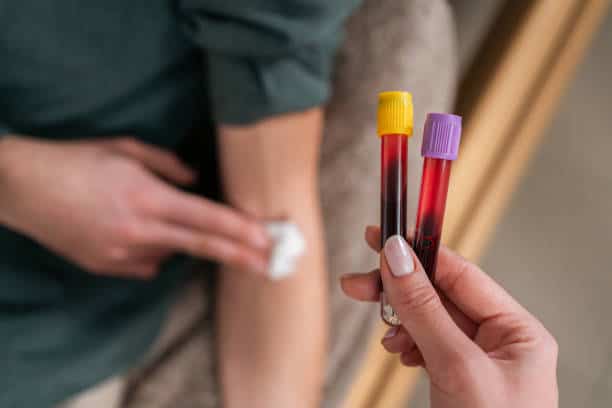
Understanding free vs total testosterone is the key to reading your hormone bloodwork correctly. Total testosterone counts every molecule of the hormone in your blood, while free testosterone measures only the small share your body can actually put to work. Here’s what each number means, why the gap between them matters, and how clinicians read both to diagnose low testosterone.
Plenty of men get a normal total reading and still feel wrecked, and it’s usually the free fraction telling the real story. Once you see how the two values connect, your next lab report will make a lot more sense.
What free vs total testosterone actually measures
The comparison starts with one simple fact: not all testosterone is available to your cells. Most of it travels through your blood stuck to proteins, so it can’t do much. A large chunk clings tightly to SHBG and stays locked away, while a looser share rides on albumin, and only a tiny slice floats completely free. The albumin-bound and free portions together make up your bioavailable testosterone, since your body can still tap both. For a closer look at the binding protein itself, see our guide to SHBG and the testosterone blood test.
Why the free vs total testosterone gap matters
Picture two men with an identical total testosterone of 500 ng/dL. One has high SHBG, so most of his hormone stays locked up; the other has low SHBG and plenty of free hormone. They can feel completely different despite matching totals, which is exactly how a single total figure misleads patient and doctor alike. That’s why a thorough workup almost always reports the free value too, since flat energy, weak libido or slow recovery are classic signs of low testosterone in men. Results near the bottom of the range often pair with real symptoms, and a total below 300 ng/dL frequently signals a problem; to understand the low end, see what counts as a dangerously low testosterone level. For broader context, MedlinePlus explains the testosterone levels test and how clinicians use it.
How SHBG shapes your testosterone numbers
SHBG works like a sponge that soaks up testosterone and holds it tight, so when SHBG rises, free testosterone falls even while total stays steady. Aging, thyroid shifts and liver conditions all push SHBG up, while obesity and insulin resistance tend to drag it down. Estrogen influences the balance too, which is why we track it during therapy, and our article on TRT and estrogen covers that link.
How labs measure free testosterone
Labs measure free testosterone two main ways, and the difference matters. The direct immunoassay is cheap but loses accuracy at low levels. A calculated free testosterone, on the other hand, feeds your total testosterone, SHBG and albumin into a validated formula, and many endocrinologists prefer it because it mirrors real biology more faithfully. So when you compare free vs total testosterone, always ask which method your lab used, because that one detail can change how a borderline result is read and whether treatment even comes up.
When to test free and total testosterone
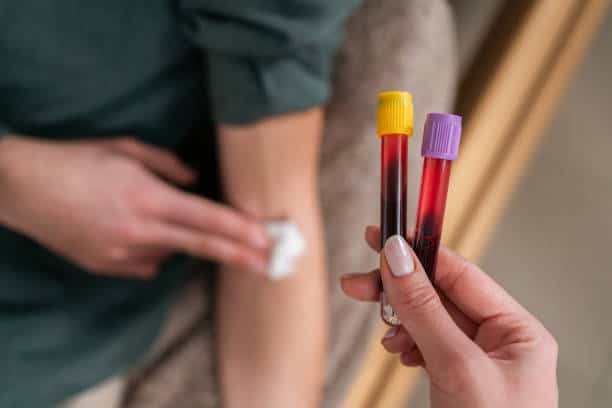
Order both whenever your symptoms and your total result disagree: a borderline total paired with fatigue clearly calls for a free measurement, and high-SHBG patients need the free value to get an honest picture. Our step-by-step guide to testing your testosterone levels walks through it. Timing counts too, so test in the morning when levels peak, and repeat any abnormal reading before you start treatment, since the male hypogonadism guidance from the Mayo Clinic notes that a diagnosis usually needs more than one result. If therapy turns out to fit, our overview of whether TRT is safe and a plain look at treatment cost can help you plan the next step.
Getting your testosterone tested at Boost
Reading free vs total testosterone the right way turns a confusing lab report into a clear plan. At Boost Health Clinic, our clinicians measure both values, factor in SHBG, and match every result to your symptoms. We offer hormone and testosterone blood tests in Jakarta and Bali, with a home visit or an in-clinic appointment, so you can find out exactly where your testosterone stands. Treatment: learn about testosterone replacement therapy (TRT) at Boost Health Clinic – doctor-led, in Jakarta, Bali and online across Indonesia.
Testosterone replacement therapy near you: TRT in Bali · TRT in Jakarta