Ask a room of men why they’re nervous about testosterone therapy and TRT and liver damage comes up within a minute. The short version: modern injectable and transdermal testosterone has very little effect on a healthy liver, while old-school oral pills of the 17-alpha-alkylated kind were the real culprits behind the horror stories. The catch is that “very little” isn’t “none,” and a few situations do call for a closer look at your liver enzymes.
Here’s what the evidence actually says, and how we monitor it at the clinic.
Where the fear about TRT and liver damage comes from
Blame methyltestosterone. In the 1960s and 70s, oral androgens were chemically modified so they could survive a first pass through the liver. That modification, a methyl group at the 17-alpha position, is exactly what made them hard on hepatocytes. Case reports piled up: cholestatic jaundice, peliosis hepatis (blood-filled cysts in the liver), and even rare liver tumours. The NIH’s LiverTox database still classifies these alkylated androgens as well-documented causes of liver injury.
Bodybuilders using multi-gram stacks of the same compounds added to the folklore. Somewhere along the way, “anabolic steroids wreck your liver” got shortened to “testosterone wrecks your liver.” They are not the same thing, and most of what you’ll read online about TRT and liver risk quietly conflates the two.
Injections, gels and modern oral TRT: a different story
Testosterone cypionate and enanthate, the injectables used in most testosterone replacement therapy protocols, bypass first-pass metabolism entirely. They go into muscle, release slowly, and are broken down the same way your own testosterone is. Large safety datasets, including the TRAVERSE trial that followed more than 5,000 men for several years, did not flag liver injury as a signal. LiverTox rates injectable testosterone esters as an unlikely cause of clinically apparent liver damage.
Gels and patches behave similarly. And the newer oral options, testosterone undecanoate capsules absorbed through the lymphatic system, were engineered specifically to dodge the liver. If you’re weighing that route, our post on oral TRT side effects walks through what’s changed.
So for a man with a normal liver, on a physiologic dose, TRT and liver toxicity rarely belong in the same sentence.
When TRT and liver enzymes do need watching
A few real-world scenarios deserve attention.
Mildly raised ALT or AST at baseline. Around a third of the men we screen already have slightly elevated liver enzymes before they start anything, usually from fatty liver rather than testosterone. That’s not a hard stop, but it’s a number we want to trend rather than ignore.
Heavy drinking. Alcohol is far more hepatotoxic than testosterone, and it also suppresses your own production. We’ve covered the hormonal side in alcohol and testosterone. Combine daily drinking with any medication and the liver is doing double shifts.
Supraphysiologic doses. Stacking testosterone with oral anabolic compounds bought online is where liver problems genuinely appear. This is a steroid issue, not a TRT issue, and it’s one reason we run a separate steroid advice service.
Other hepatically cleared drugs. Statins, some antifungals, and high-dose paracetamol all pass through the same organ. Adding TRT rarely changes their metabolism, but the combination makes baseline and follow-up bloodwork more important, not less.

The surprising twist: low testosterone and fatty liver
Here’s what gets lost in the TRT and liver conversation. Low testosterone is itself linked to non-alcoholic fatty liver disease (NAFLD), the condition behind most abnormal liver panels in men over 35. Testosterone helps drive fat away from the abdomen and liver and toward muscle. When it drops, visceral fat rises, insulin resistance climbs, and the liver starts storing triglycerides it shouldn’t.
Several cohort studies have found that men in the lowest testosterone bracket have roughly double the rate of NAFLD compared with men in the highest. The Mayo Clinic lists obesity, type 2 diabetes and metabolic syndrome as the core drivers, and low testosterone sits upstream of all three. We explored that chain in testosterone and insulin resistance.
This flips the usual TRT and liver question on its head: for some men, the untreated deficiency is the bigger hepatic risk. Restoring testosterone doesn’t cure fatty liver on its own. But in several small trials of hypogonadal men, normalising levels reduced liver fat and lowered ALT over 6 to 12 months, mostly by improving body composition. Some men see enzymes that were mildly high at baseline drift back into range once treatment is dialled in.
What a sensible TRT and liver monitoring plan looks like
You don’t need a hepatologist. You need a baseline and a schedule.
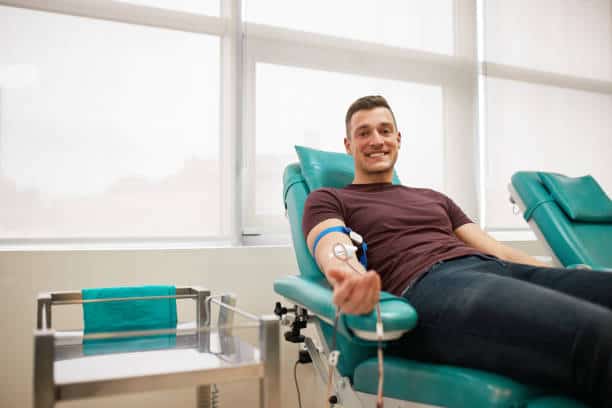
Before starting, we run a full panel that includes ALT, AST, GGT and bilirubin alongside testosterone, estradiol, PSA and a blood count. MedlinePlus has a plain-English guide to what each liver function test measures. Then we repeat the liver markers at three months, and roughly every 6 to 12 months after that, at the same visits where we check hematocrit, cholesterol and kidney function.
Two practical notes. First, a hard workout in the 48 hours before a blood draw can push AST and ALT up because muscle releases the same enzymes; we see this constantly in men who train the morning of their test. Rest, retest, and the supposed TRT and liver problem often vanishes. Second, an isolated ALT under about twice the upper limit of normal, with no symptoms, is generally something to watch rather than act on. A rising trend, jaundice, dark urine or right-sided abdominal pain is different and warrants a proper workup.
TRT and liver safety: the bottom line
Physiologic testosterone through injections, gels or modern undecanoate capsules is one of the lower-risk medications for the liver you’re likely to take. The genuine threats are alkylated oral steroids, alcohol, and untreated metabolic disease, and low testosterone quietly feeds the last of those. Monitor, trend, and you’ll be fine.
If your liver enzymes came back slightly off and you’re unsure whether TRT is still on the table, bring the results to us. Boost Health Clinic offers a comprehensive men’s health blood test in Jakarta and Bali, and our doctors will read the liver panel and the hormone panel together, which is how they should be read.
Testosterone replacement therapy near you: TRT in Bali · TRT in Jakarta
This article is general information and not medical advice. All treatments mentioned require assessment by a qualified doctor.