
Statins and testosterone have been arguing in the medical literature for twenty years, and most men on a cholesterol pill have never been told the fight exists. The short version: statins can nudge testosterone down, the effect is real but modest, and it is almost never a reason to stop taking a drug that is keeping you out of a cardiology ward.
Still, “modest” is not “nothing.” If you started atorvastatin two years ago and your drive has quietly drained away since, you deserve a straight answer rather than a shrug.
Why a cholesterol drug touches your hormones at all
Testosterone is built from cholesterol. That is not a metaphor — cholesterol is the literal raw material, converted step by step inside the Leydig cells of the testes into pregnenolone and eventually into testosterone. Statins work by blocking HMG-CoA reductase, the enzyme that governs how much cholesterol your body manufactures.
Block the supply chain, and it is at least plausible that the factory downstream slows. That is the mechanistic worry sitting behind every conversation about statins and testosterone. The interesting part is how small the real-world effect turns out to be.
What the research on statins and testosterone actually shows
Pooled analyses of randomised trials have found average reductions in total testosterone on the order of a few percent — enough to detect statistically, rarely enough to drag a healthy man into a deficient range on its own. Some studies find no meaningful change at all. High-dose, high-potency statins appear to matter more than low doses of the gentler ones.
There is a second wrinkle. Statins tend to nudge SHBG, and SHBG governs how much of your hormone is actually usable — the mechanism we unpack in our article on SHBG and testosterone. A man whose total T barely moves can still lose free testosterone if his binding protein climbs.
The confounder nobody mentions
Here is what gets missed in clinic. The average man starting a statin is not a lean 28-year-old. He is in his fifties, carrying visceral fat, borderline insulin resistant, sleeping badly, and often prediabetic. Every one of those things suppresses testosterone harder than any statin ever will.
So when a patient tells us his levels dropped after starting a statin, the statin is a suspect — but it is rarely the culprit. Metabolic syndrome usually is, and the same metabolic mess is why he needed the statin in the first place. Our post on testosterone and belly fat covers that loop in detail, and the Mayo Clinic’s rundown of statin side effects is a sober guide to what these drugs genuinely do and do not cause.
Do not stop your statin to chase a number
We want to be blunt about this, because men do it. Statins prevent heart attacks and strokes, and the cardiovascular benefit for a man with established risk dwarfs a few percentage points of testosterone. Stopping a statin without your prescriber’s involvement to “fix” your hormones is a bad trade — see TRT and heart health for why cardiovascular risk deserves this much respect. If you want the specifics on your particular drug, MedlinePlus keeps plain-language prescribing information for each one.
The right move is not to drop the medication. It is to measure properly.
How to test properly when statins and testosterone are both in play
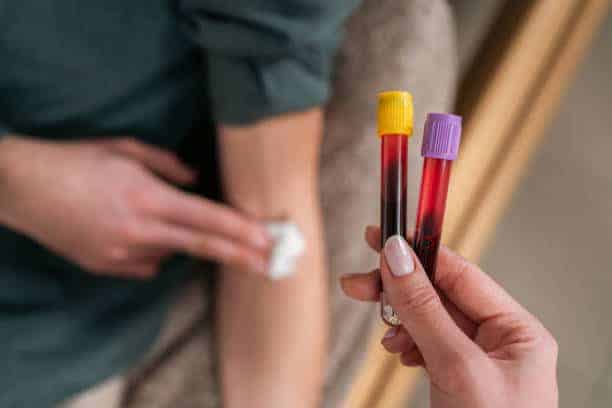
Get a morning draw between 7 and 10am, fasted, and repeat any abnormal result on a second day. Ask for total testosterone, SHBG, albumin, calculated free testosterone, LH and oestradiol — not a lone total T, which tells you almost nothing on its own. Bring a lipid panel to the same appointment so both stories can be read together.
If you are not sure what any of it means, our guide on how to test your testosterone levels walks through it, and what counts as a dangerously low testosterone level explains where the clinical thresholds actually sit. Symptoms matter as much as numbers; the signs of low testosterone in men are the reason anyone tests in the first place.
When treatment is the answer
If the workup shows genuinely low free testosterone with symptoms to match, the statin stays and the hormone gets addressed on its own terms. That is what testosterone replacement therapy is for, and it can run alongside a statin without drama — provided somebody is watching haematocrit, lipids and blood pressure. Worth knowing: TRT itself shifts your lipid profile, which we cover in TRT and cholesterol, so the two treatments genuinely need to be managed as one plan rather than two.
Statins and testosterone are not enemies. They are two things your doctor should be reading on the same page. If yours never has, book a full hormone panel with Boost Health Clinic and let us put both halves of the picture in front of you.
Testosterone replacement therapy near you: TRT in Bali · TRT in Jakarta