
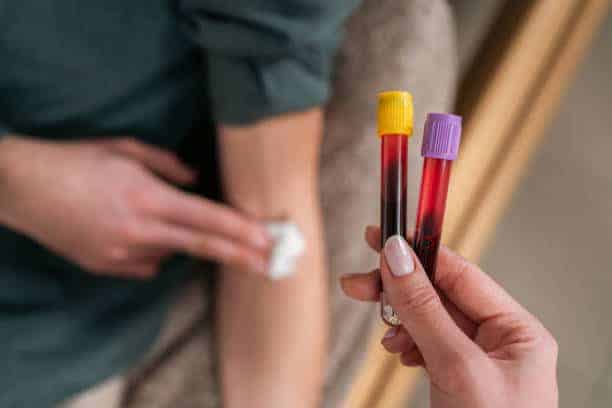
TRT and cholesterol have a more nuanced relationship than most men expect. Plenty of patients worry the therapy will wreck their lipid panel, but the real picture is calmer and far more manageable than the fear suggests. Here’s what the research shows, which numbers actually shift, and how to protect your heart while on testosterone, including when a lipid change warrants a call to your clinician and when it simply needs more time.
How TRT and cholesterol interact in the body
Testosterone changes how the liver handles lipoproteins, so restoring physiological levels can shift HDL, LDL and triglyceride values within the first few months. Most studies report a small drop in HDL, the so-called good cholesterol, while LDL and triglycerides often stay flat, and they may even improve as men lose abdominal fat on therapy. Those competing effects are why doctors weigh the whole panel rather than one number in isolation, since diet, training load and sleep all pull on the same levers. For broader context, see our piece on TRT and heart health.
What the research says
The TRAVERSE trial in the New England Journal of Medicine followed thousands of men for several years and found no rise in major cardiac events versus placebo, though HDL did decline slightly in the treatment group. That’s why clinicians take a balanced view: the cholesterol shifts deserve attention, but they rarely warrant stopping therapy on their own. A 2018 meta-analysis on PubMed reached a similar conclusion across many smaller trials, with older men and those with metabolic syndrome seeing the clearest net benefit.
HDL, LDL and triglycerides on testosterone therapy
The most consistent finding across trials is a 5 to 10 percent reduction in HDL after starting TRT. LDL changes are inconsistent and usually small, and triglycerides often fall when men lose weight on therapy. Lipoprotein(a), a more specific cardiac risk marker, looks largely unchanged. Taken together, the lipid shifts on TRT are smaller than the shifts poor diet, inactivity and visceral fat produce. Oral and injectable forms may differ slightly, with oral preparations showing larger HDL drops in some studies. Our 12-week TRT timeline walks through when these changes usually appear.
Who should monitor lipid values more closely
Men with a history of heart disease, familial hypercholesterolemia or untreated high cholesterol should keep a closer eye on their panel and work with a clinician who tracks the trend over time. The Mayo Clinic cholesterol page offers helpful targets, and it’s worth reading our note on TRT and blood pressure alongside it.
Practical steps to protect heart health on TRT
Train with weights and brisk cardio at least four times a week, and build your plate around protein, vegetables and unprocessed carbohydrates instead of refined snacks, since that combination supports both lipid balance and the body-composition gains TRT can deliver. Limiting alcohol is another high-yield change, since heavy drinking pushes triglycerides up, and regular sleep plus daily walking move cholesterol numbers more than most men assume. Soluble fiber from oats, beans and berries nudges LDL down, and managing stress matters too, because chronic cortisol drives both visceral fat and lipid drift. Our sleep and testosterone guide covers the rest piece in depth.
Common patterns men see with TRT and cholesterol
Most patients see HDL dip a few points in the first three months and then stabilize, while total cholesterol often holds steady because LDL barely moves. Some men actually watch triglycerides fall significantly, especially when they lose ten or more pounds. A small subset runs into a sharper HDL drop that needs a dose review, and since individual response varies so much, retesting beats guessing, so your clinician compares trends across labs rather than reacting to a single reading. Because hematocrit and estrogen also shift on TRT, your clinician monitors them together, and for depth you can see our notes on TRT and hematocrit and TRT and estrogen. At Boost Health Clinic, our physicians review every lipid panel before and during therapy, so concerning trends get caught early. Book a consultation to talk through your own numbers and goals.
Considering treatment? See how doctor-led testosterone replacement therapy works at Boost Health Clinic in Indonesia.
Testosterone replacement therapy near you: TRT in Bali · TRT in Jakarta