
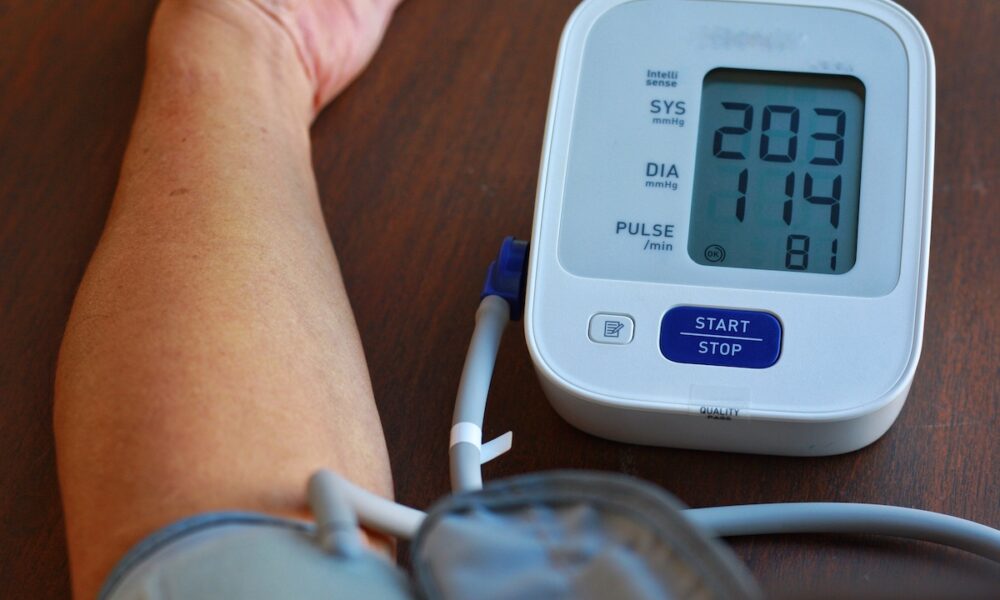
Testosterone replacement therapy can raise blood pressure in some men, and regulators now require this to be stated on TRT labelling. The effect is usually modest and manageable, but it is real — which is exactly why blood pressure and bloodwork should be monitored throughout treatment. Here is how TRT affects blood pressure and how to stay safe.
The short answer
Yes, TRT can increase blood pressure in some men. In 2024 the US FDA required testosterone product labels to carry a warning that the therapy can raise blood pressure, after reviewing trial data. That does not mean everyone on TRT develops hypertension — many men see no meaningful change — but it does mean blood pressure needs to be checked before and during treatment, and managed if it climbs.
How TRT can raise blood pressure
Several mechanisms are involved, and most are monitorable:
Fluid and sodium retention. Testosterone can cause the body to hold on to a little more water and salt, which can nudge blood pressure up, especially early in treatment.
Thicker blood (higher hematocrit). TRT stimulates red-blood-cell production. A higher red-cell count makes blood more viscous, which raises the pressure needed to move it — and carries its own cardiovascular considerations. This is one of the most important things to track; see TRT and hematocrit.
Worsened sleep apnea. In susceptible men, testosterone can aggravate obstructive sleep apnea, itself a driver of high blood pressure.
Estrogen balance. The testosterone-to-estradiol ratio influences fluid balance and vascular tone, another reason estradiol is worth monitoring.
Who is most at risk
Men who already have hypertension, are overweight, have untreated sleep apnea, run high hematocrit, or use higher doses are most likely to see a rise. If you have existing heart or blood-pressure concerns, that is information your prescriber needs before you start — not a reason you necessarily cannot be treated, but a reason to be monitored closely. For broader context on the cardiovascular picture, see TRT and heart health.
How to keep blood pressure in check on TRT
- Measure it at baseline and regularly during treatment — a home monitor is invaluable.
- Track hematocrit with routine bloodwork and act early if it rises.
- Use smooth, appropriate dosing rather than high or infrequent large doses.
- Treat sleep apnea if present.
- Support it with lifestyle: sodium awareness, regular exercise, weight management, and limiting alcohol.
The Mayo Clinic and the Cleveland Clinic both stress that safe testosterone therapy depends on this kind of ongoing monitoring rather than a prescribe-and-forget approach.
When to see a doctor
If your blood pressure readings are consistently high, or you have headaches, chest pain, shortness of breath, or vision changes, seek medical advice promptly. Do not stop a prescribed therapy abruptly on your own — speak to your prescriber, who can adjust the protocol or add blood-pressure management.
The bottom line
TRT can raise blood pressure, and the warning now on testosterone labels reflects that. For most men the effect is modest and controllable through proper dosing, hematocrit monitoring, sleep-apnea management, and healthy habits. The key is that it is measured and managed rather than ignored.
At Boost Health Clinic, blood pressure and full bloodwork are part of every TRT programme precisely so this is caught early. To start therapy with proper monitoring, book a consultation.