
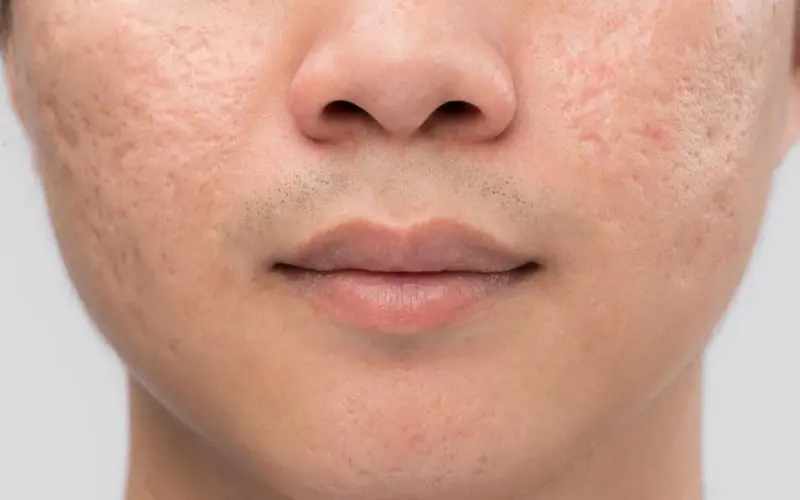
TRT can trigger acne in some men, especially in the first few months, because higher testosterone increases the skin’s oil production. It is usually mild, temporary, and manageable — not a reason to stop therapy. Here is why it happens, who is most prone, and how to clear it up.
The short answer
Acne is one of the more common cosmetic side effects of testosterone replacement therapy. Testosterone (and the DHT it converts into) stimulates the sebaceous glands to produce more sebum, the oil that can clog pores and feed acne-causing bacteria. When levels rise quickly at the start of treatment, the skin can react. For most men this settles as the body adjusts, and it responds well to simple skincare and, if needed, dose tuning.
Why TRT causes acne
Your skin is full of androgen-sensitive oil glands. When testosterone rises — particularly when it converts to the more potent dihydrotestosterone (DHT) — those glands enlarge and produce more sebum. Excess sebum combines with dead skin cells to block pores, and the bacteria Cutibacterium acnes thrives in that environment, producing the inflammation you see as spots. The chest, back, and shoulders are common sites because they have a high density of these glands.
Two protocol factors make it worse: sharp peaks from large, infrequent injections, and an estrogen imbalance, since the testosterone-to-estradiol ratio influences skin too. Smoothing the dose with more frequent injections and keeping an eye on estradiol both help.
Who is most likely to get it
Men who had acne-prone skin as teenagers, those starting at higher doses, younger patients, and men using injectable rather than transdermal testosterone tend to see it more often. Genetics play a large role — if your skin was oily before, it is more likely to react now. The Cleveland Clinic’s overview of acne explains the same hormonal mechanism in more depth.
How to manage and prevent TRT acne
- Smooth your dose: smaller, more frequent injections avoid the testosterone spikes that drive oil production.
- Get your estradiol checked and managed to a healthy range.
- Build a simple skincare routine: a gentle cleanser twice daily, and over-the-counter benzoyl peroxide or salicylic acid on affected areas.
- Shower promptly after training and keep clothing and bedding clean, since sweat and friction aggravate body acne.
- See a dermatologist for anything moderate-to-severe — topical retinoids or short courses of prescription treatment work well.
Crucially, do not stop or skip doses on your own to control breakouts. Work with your prescriber, because the fix is almost always a small protocol adjustment plus good skincare. Proper monitoring — the same bloodwork and dose titration the Mayo Clinic recommends for all TRT patients — keeps side effects like this in check.
When to see a doctor
Most TRT acne is mild and short-lived. Speak to a clinician if it is painful, cystic, scarring, spreading rapidly, or not improving after a couple of months of good skincare. These respond far better to early treatment than to waiting it out.
The bottom line
Acne on TRT is common, usually temporary, and almost always manageable without abandoning therapy. It is driven by increased oil production, made worse by dose spikes and estrogen imbalance, and improved by smoother dosing, monitored bloodwork, and a basic skincare routine.
At Boost Health Clinic, we adjust protocols around your bloodwork specifically to minimise side effects like acne. If breakouts started after beginning testosterone therapy, book a consultation and we will review your dose and labs.