
SHBG and testosterone are tied together more tightly than most men realise, because sex hormone-binding globulin decides how much of your testosterone your body can actually use. Here’s what SHBG is, why it often matters more than your total testosterone number, and how it shapes the free testosterone doing the real work. You’ll also see what pushes it up or down, and how doctors fold it into treatment.
What SHBG is and why it binds testosterone
SHBG, or sex hormone-binding globulin, is a protein made by your liver. It circulates in the blood and latches onto sex hormones, testosterone and estrogen above all. Because it holds them tightly, it acts like a transport and storage system, deciding how much testosterone stays locked away and how much stays usable.
Around 70% of your testosterone is bound to SHBG. Another 20 to 30% clings loosely to albumin. That leaves just 1 to 2% completely free, and it’s that free fraction your symptoms track, not the total. A man can post a perfectly normal total reading and still feel tired, foggy or low on libido. When that happens, high SHBG binding may be hiding a real deficiency, which is exactly why a full panel beats a single number. Our guide on how to test your testosterone levels walks through the markers that matter.

What high or low SHBG and testosterone levels mean
High SHBG usually means less usable hormone. Aging, an overactive thyroid, liver disease and certain medications all push it up, so older men sometimes feel low-testosterone symptoms despite acceptable total readings. If the signs of low testosterone ring true for you, this pattern is worth checking.
Low SHBG tells the opposite story. Obesity, insulin resistance and type 2 diabetes tend to drive it down. It frees up more testosterone, but it also flags metabolic trouble, and research ties low SHBG to a higher risk of metabolic syndrome in men. Our article on testosterone and belly fat shows how that cycle takes hold, and our look at TRT and cholesterol covers the related lipid picture.
What moves your SHBG and testosterone balance
Several everyday factors nudge SHBG and testosterone in opposite directions. Body fat is a big one: more visceral fat lowers SHBG and worsens insulin resistance. An overactive thyroid raises it sharply. Because the liver makes SHBG, liver stress changes the output, and levels tend to climb slowly with age. Even nutrients and sleep play in, since low vitamin D and poor rest can tip the balance, and our guide on vitamin D and testosterone covers one simple lever worth checking. With so many inputs at play, lifestyle changes genuinely move the needle, and even modest fat loss can rebalance the two over time.
Testing and treating SHBG and testosterone issues
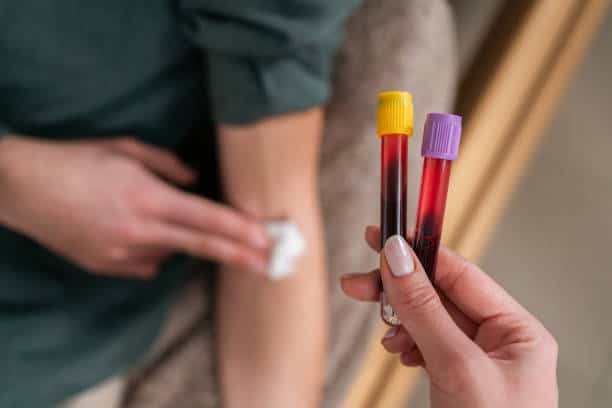
A proper workup measures total testosterone, SHBG and albumin, then calculates free testosterone, and together those numbers show what your body can truly use. Ask your clinician to run SHBG alongside total testosterone rather than on its own; a lone value can mislead, while the full set gives real context. Most labs print a reference range, but your symptoms still count for more than a borderline result. SHBG even helps explain why hormones behave differently inside cells, since the protein modifies testosterone action and metabolism.
When the results confirm a deficiency, the fix depends on the cause. For some men, sorting out weight, thyroid or medications does the job. For others, testosterone replacement therapy restores levels directly and reliably. SHBG also guides how treatment is dosed, since men with low SHBG can clear the hormone faster and may need an adjusted schedule. Because SHBG interacts with estrogen, our piece on TRT and estrogen makes a useful companion read, and if your numbers look very low, our guide to a dangerously low testosterone level explains when to act quickly.
The bottom line on SHBG and testosterone
Reading SHBG and testosterone together turns a confusing lab report into a clear picture. The protein decides how much hormone you can actually use, so it earns a place on every panel. At Boost Health Clinic, our clinicians read the full hormone profile and build a plan around your real numbers. Book a consultation with us today to find out what your levels genuinely mean.