
Ask ten men on TRT what they make of testosterone pellets vs injections and you’ll hear ten confident opinions, most borrowed from a forum thread. The short version: pellets trade control for convenience, while injections trade a weekly routine for precision — and the better fit depends less on the hormone than on your life. Both deliver the same molecule. How they deliver it, and what happens when something needs adjusting, is where the two paths split.
Testosterone pellets vs injections: how each method works
Pellets are small cylinders of crystallized testosterone, each about the size of a grain of rice. A clinician numbs a patch of skin over the hip or flank, makes a tiny incision, and slides in six to twelve pellets. They dissolve slowly over three to six months. That’s the entire routine — one short office procedure a few times a year.
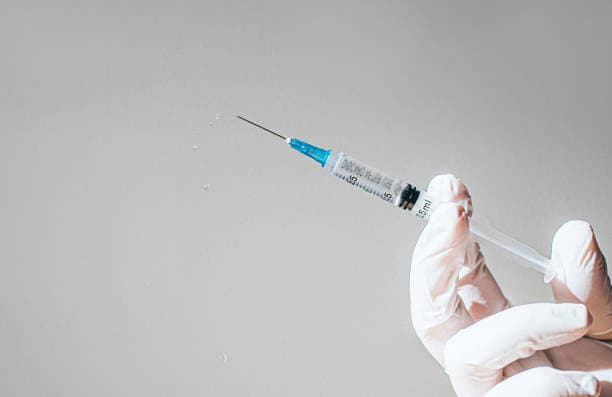
Injections work differently. A measured dose of testosterone cypionate or enanthate goes into muscle or the fat just under the skin, usually once or twice a week. Many men learn to self-inject at home in under ten minutes. Both are established forms of testosterone replacement therapy, and both can bring low levels back to a healthy range when dosed properly.
The appeal of pellets: months without thinking about dosing

The case for pellets is simple: you stop managing your own treatment. No weekly calendar reminder, no syringes in the bathroom drawer, no vials to explain at airport security. Release is steady, so day-to-day levels barely move. Research in the Journal of Sexual Medicine on men using Testopel pellets found that convenience and fewer clinic visits were exactly why men chose them in the first place.
For someone who travels constantly or simply hates needles, that’s a real advantage. Adherence problems mostly disappear when there’s nothing to adhere to.
Why injections give you more control
Here’s the catch with pellets: once they’re in, they’re in. If your estrogen climbs, your hematocrit creeps up, or the dose turns out to be more than you need, you can’t dial anything back until the pellets dissolve. Removing them means another minor procedure. With weekly injections, your doctor adjusts the next dose and the correction lands within days. That same Journal of Sexual Medicine study found cost and inadequate fine-tuning among the main reasons men eventually stopped pellet therapy.
Frequency is a lever too. Splitting a weekly dose into two smaller injections smooths out hormonal peaks and troughs — a level of precision pellets simply can’t offer.
Testosterone pellets vs injections on side effects and cost
Because the hormone itself is identical, the systemic side effects overlap: possible acne, thicker blood, suppressed sperm production. Mayo Clinic’s overview of testosterone therapy covers the risks any man should discuss before starting either form.
What differs is the local stuff. Pellets can cause bruising or infection at the insertion site, and a small percentage work their way back out through the skin — a complication called extrusion. Some men also notice a lull in the final weeks before the next implant as levels taper. Injections bring occasional soreness at the injection site and, when doses are spaced far apart, a noticeable peak-and-crash pattern.
Then there’s money. Pellet therapy bundles a procedure fee with the cost of the pellets several times a year, which usually makes it the pricier route. Generic injectable testosterone remains one of the least expensive prescriptions in medicine — a big part of what TRT actually costs.
Can you get testosterone pellets in Indonesia?
In practice, no. Pellet brands like Testopel are American products and aren’t registered for use in Indonesia, so clinics in Jakarta and Bali work with injectable testosterone and oral testosterone undecanoate instead. We see this regularly at the clinic: an expat arrives with pellets implanted in the US, watches his levels drift down over a few months, and needs a plan. The usual answer is bloodwork to track the taper, then a bridge onto injections or oral therapy once levels drop below range.
How to choose the right testosterone option
If you’d genuinely forget a weekly shot, pellets have a logic to them — where they’re available. If you value fine control, fast adjustments, and lower cost, injections win, which is why they remain the default worldwide. Our comparison of which testosterone replacement option works best digs deeper into the trade-offs. Framed around your priorities, the testosterone pellets vs injections question usually answers itself.
Weighing your options in Indonesia? Boost Health Clinic can test your levels, talk through what fits your routine, and build a protocol around it — book a consultation in Jakarta or Bali.
Need blood work? See our blood tests for men in Indonesia, available as blood tests in Bali and blood tests in Jakarta.
Testosterone replacement therapy near you: TRT in Bali · TRT in Jakarta