
The metformin vs Ozempic question comes up in our weight loss consultations almost every week, and it deserves a straighter answer than most articles give. Here it is: Ozempic produces roughly five times more weight loss than metformin for the average patient, but metformin costs a fraction of the price and carries a 60-year safety record. Which one makes sense for you depends on how much weight you’re carrying, what your blood sugar looks like, and what you’re prepared to spend each month.
Metformin vs Ozempic: how each drug works
Metformin is the older of the two by decades. It’s a biguanide, first prescribed in the late 1950s, and it works mainly in the liver — cutting the amount of glucose your liver releases and making your muscles more responsive to insulin. That matters for weight, because insulin resistance and stubborn fat feed each other. Metformin also nudges appetite down slightly, likely through a hormone called GDF-15, though the effect is subtle.
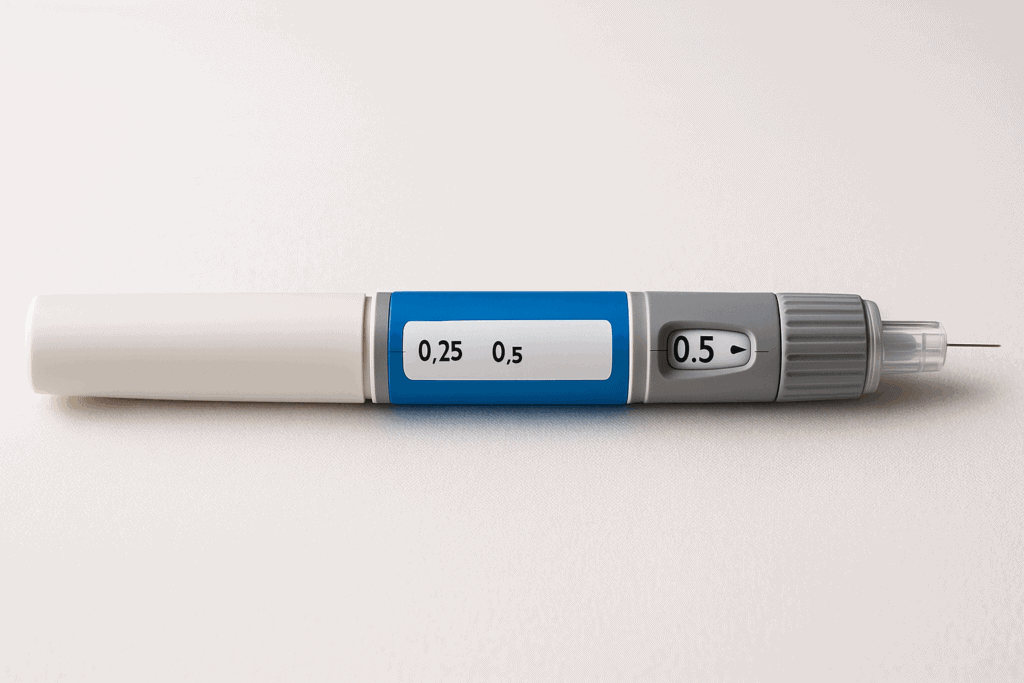
Ozempic (semaglutide) belongs to a newer class, the GLP-1 receptor agonists. A once-weekly injection mimics a gut hormone that slows stomach emptying and acts directly on appetite centres in the brain. Patients tend to describe it the same way: the food noise goes quiet. We’ve covered how semaglutide works for weight loss in detail if you want the full mechanism.
What metformin can realistically do for your weight

In the metformin vs Ozempic matchup, metformin is the underdog — and an underrated one. It isn’t officially a weight loss drug; its approval is for type 2 diabetes. But the evidence for modest, durable loss is solid. In the landmark Diabetes Prevention Program, participants on metformin lost around 2–3% of their body weight, and a ten-year follow-up study found that those who stayed on it kept the weight off. For a 100 kg man, that’s 2–3 kg. Real, but not dramatic.
Where metformin earns its keep is in men with prediabetes or insulin resistance, where it treats the underlying metabolic problem while gently helping the scale. It’s also being studied for healthy aging — we’ve written about metformin for longevity separately.
How much weight do people lose on Ozempic?
The numbers here sit in a different league. In the STEP 1 trial published in the New England Journal of Medicine, adults taking weekly semaglutide 2.4 mg lost an average of 14.9% of their body weight over 68 weeks, against 2.4% for placebo. Ozempic itself is dosed for diabetes (up to 2 mg), so real-world weight loss usually lands between 5% and 12% — still several times what metformin delivers.
The catch is what you lose. Rapid loss on a GLP-1 includes lean tissue, which is why we push protein targets and resistance training on every patient — see our post on GLP-1 medications and muscle loss. And if Ozempic isn’t available or isn’t the best fit, tirzepatide often outperforms it; our Mounjaro vs Ozempic vs Wegovy comparison breaks that down.
Metformin vs Ozempic on cost and side effects
Cost is where the comparison flips. Generic metformin costs a few dollars a month almost anywhere in the world. Semaglutide runs into the hundreds monthly, and supply still fluctuates in many countries, Indonesia included.
Side effects differ more in kind than in severity. Metformin’s are mostly digestive — stomach upset and loose stools in the first weeks, usually settling with the extended-release form. Long-term use can deplete vitamin B12, which is worth monitoring; we’ve covered B12 for men before. Ozempic’s side effects are digestive too — nausea, constipation, reflux — but they track with dose and usually ease as your body adjusts. One more difference worth planning for: weight tends to return after stopping Ozempic, while metformin’s smaller loss is easier to hold with habits alone.
Can you take metformin and Ozempic together?
Yes — in type 2 diabetes the combination is standard practice. The two work through separate mechanisms, so the benefits stack: metformin improves insulin sensitivity at the liver while semaglutide controls appetite and slows digestion. For weight loss specifically, some clinicians add metformin to blunt the insulin resistance that drives regain. This is prescription territory, though. Both drugs need blood work first, and a doctor watching kidney function, B12 and glucose along the way.
Choosing between metformin and Ozempic
A rough guide from our consultation room. If you have 5 kg to lose and your fasting glucose is creeping upward, metformin plus focused diet changes may be all you need. If you’re carrying 15 kg or more, have weight-related health problems, or have genuinely tried and failed with diet alone, a GLP-1 is usually the tool that finally works. Budget belongs in the decision too — a medication you can afford for two years beats one you abandon after three months.
At Boost Health Clinic we start every weight loss patient with blood work, because the right answer to metformin vs Ozempic sits in your labs, not in a blog post. Our doctors prescribe GLP-1 medications such as Ozempic and Mounjaro as part of a supervised medical weight loss program across Indonesia. Book a consultation and we’ll map both options against your numbers.