
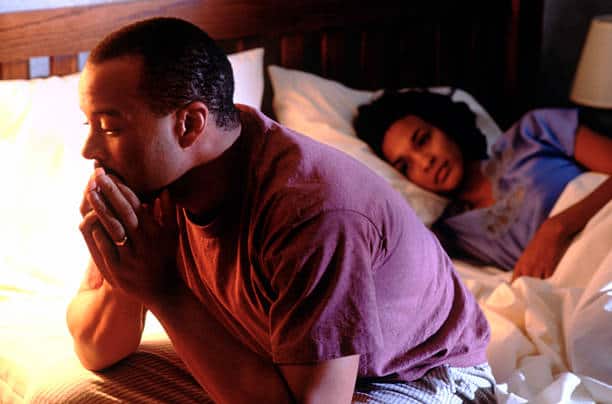
You’ve probably heard the saying: a little alcohol loosens you up. And it’s true—a drink or two might help you relax before sex. But here’s what most men don’t realize: alcohol is a depressant that systematically destroys your ability to get and maintain an erection. The more you drink, and the more regularly you drink, the worse the problem becomes. Understanding alcohol and erectile dysfunction isn’t about judgment; it’s about knowing the biological reality of what happens when you drink.
The relationship between alcohol and erectile dysfunction is dose-dependent and often reversible. A single night of heavy drinking might temporarily affect performance. But chronic drinking—even moderate regular drinking—can cause permanent erectile dysfunction. The good news is that if you catch it early and reduce consumption, improvements often follow quickly.
How Alcohol Interferes With Erections
An erection requires your parasympathetic nervous system (rest-and-digest mode) to be active. This system dilates blood vessels in the penis, allowing blood to flow in and create tumescence. Alcohol is a central nervous system depressant. It dampens the neural activity required for sexual arousal and dampens the mechanical processes of erection.
When you drink, alcohol suppresses the release of nitric oxide, a chemical your blood vessels need to relax and dilate. Without adequate nitric oxide, blood vessels stay constricted, and blood can’t flow into the penis effectively. This is why men who drink heavily often describe erectile dysfunction as a mechanical problem—they want to be aroused but their body won’t cooperate. It’s not that they’re not attracted to their partner or mentally engaged; it’s that alcohol has disabled the physical machinery of sexual response.
Alcohol Destroys Testosterone Production
Chronic drinking directly suppresses testosterone production in your testicles. Alcohol disrupts the hormonal signaling between your brain and your reproductive system, reducing testosterone synthesis. It also increases the activity of aromatase, an enzyme that converts testosterone into estrogen. The result is a perfect storm: less testosterone being made, and more testosterone being converted into estrogen.
This hormonal shift explains why heavy drinkers often develop signs of low testosterone—fatigue, loss of muscle mass, reduced libido, erectile dysfunction, even depression. These aren’t just side effects of drinking; they’re the inevitable result of suppressed testosterone and elevated estrogen. Men who stop drinking often see testosterone levels recover within weeks to months, and sexual function improves alongside it.
Damage to Blood Vessel Function
Chronic alcohol consumption damages your blood vessels in multiple ways. Ethanol injures the endothelium—the inner lining of blood vessels—reducing their flexibility and ability to dilate properly. Heavy drinking also increases blood pressure and triglycerides, which accelerate atherosclerosis and clog arteries throughout your body, including those feeding the penis.
This damage is particularly insidious because it often feels permanent. After years of heavy drinking, the endothelial dysfunction can persist even after you quit. However, abstinence for three to six months often allows blood vessel function to recover substantially. Some men who’ve been heavy drinkers for years regain erectile function simply by cutting alcohol out of their lives.
Dehydration and Acute Performance Issues
Beyond the long-term hormonal and vascular damage, alcohol dehydrates you. Dehydration reduces blood volume and blood pressure, making it harder to achieve the hydraulic pressure needed for an erection. This is why men often struggle with erectile function the night they’re drinking heavily or the next morning after.
The acute effects of a single night of heavy drinking are often reversible—rehydrate, let the alcohol clear your system, and function returns. But the problem becomes chronic when alcohol use is regular. Your body never fully recovers between drinking sessions, and the cumulative damage to hormones, blood vessels, and nerves compounds over time.
Alcohol and Performance Anxiety
There’s a cruel psychological component to alcohol and erectile dysfunction. A man might have a bad experience with erectile function while drinking. The next time he drinks, he worries about it happening again. That anxiety—which is real and understandable—actually causes the very problem he’s worried about. Performance anxiety triggers sympathetic nervous system activation (fight-or-flight), which constricts blood vessels and prevents erections.
This creates a vicious cycle: drink alcohol, struggle with erections due to alcohol’s effects, develop anxiety about performance, next time you drink and get anxious, experience worse erectile dysfunction because of the anxiety. Men caught in this cycle sometimes feel trapped, not realizing that simply reducing or eliminating alcohol would break the pattern entirely.
Reversibility and Recovery Timeline
The encouraging news is that alcohol-related erectile dysfunction is often reversible. If alcohol is the primary cause of your ED, quitting or significantly reducing consumption can restore sexual function. The timeline varies. Light drinkers might see improvements within weeks. Men who’ve been drinking heavily for years might need three to six months of abstinence before full erectile recovery.
Testosterone often bounces back within 2-4 weeks of stopping alcohol use. Blood vessel function improvements take longer—usually weeks to months. Endothelial function and nitric oxide production gradually restore themselves as your body heals. During this recovery period, men often benefit from ED medications like Viagra or Cialis to maintain sexual confidence while their body heals.
When Alcohol-Related ED Won’t Resolve
Some men reduce their alcohol consumption but still experience erectile dysfunction. This suggests that alcohol wasn’t the only problem. Comprehensive blood work becomes important here. You might have low testosterone from causes unrelated to alcohol. You might have underlying cardiovascular disease. You might have nerve damage from diabetes or other conditions.
In these cases, addressing alcohol is still important—it’s not helping—but you need additional intervention. Testosterone replacement therapy, cardiovascular treatment, or specific ED therapies like Trimix injections or Gainswave therapy might be necessary. A men’s health specialist can identify what’s driving your erectile dysfunction and create an appropriate treatment plan.
Practical Approaches to Alcohol and Sexual Health
You don’t have to be a teetotaler to maintain good erectile function. Moderate alcohol consumption—defined as up to one drink daily for men—generally doesn’t cause erectile dysfunction. The problem arises with regular heavy drinking (more than 4-5 drinks in a sitting or more than 15 drinks weekly) and with patterns of binge drinking.
If you struggle with alcohol-related erectile dysfunction, the most direct solution is reducing consumption. Track your drinking honestly for a week. Are you consistently drinking more than recommended limits? Are you drinking to cope with stress or emotions? If so, addressing the root causes—stress management, mental health support, finding healthier coping mechanisms—is as important as cutting back on alcohol itself.
Some men find that simply eliminating alcohol for 30 days gives them enough perspective to see whether alcohol was the primary problem. Others work with a therapist or support group to address underlying drinking patterns. If reducing alcohol feels impossible, that’s a sign you might benefit from professional support for alcohol use.
Getting Professional Help
If you’re experiencing erectile dysfunction and drinking heavily, start by being honest with yourself about your alcohol consumption. Then see a men’s health specialist who can evaluate your situation comprehensively. At Boost Health Clinic, we work with men in Jakarta and Bali who are ready to address both erectile dysfunction and underlying lifestyle factors that contribute to it.
You don’t have to resign yourself to erectile dysfunction if alcohol is part of your life. Change is possible. Whether that’s reducing your alcohol consumption, getting treatment for alcohol dependence, or pursuing medical interventions for ED—these are all legitimate paths forward. Your sexual health is worth taking seriously.