
Testosterone boosters outsell almost everything else in the men’s supplement aisle, and the awkward truth is that most of them can’t back up the promise on the label. When researchers analyzed the 50 best-selling formulas, fewer than a quarter had published data supporting their claims — and about one in ten contained ingredients linked to lower testosterone. Here’s what the evidence actually shows, and what’s worth doing instead.
What’s actually inside a testosterone booster?
Pull a bottle off the shelf and you’ll usually find a crowd. The average product in that 50-supplement analysis packed 8.3 different ingredients: tribulus terrestris, fenugreek, ashwagandha, D-aspartic acid, zinc, vitamin D, boron, and a rotating cast of herbal extracts, often hidden inside a “proprietary blend” that doesn’t disclose individual doses.
Some of those doses run high. The same analysis found products exceeding the tolerable upper intake limit for certain vitamins and minerals. That matters, because more isn’t better — the NIH notes that excess zinc can cause nausea and interfere with copper absorption. And since supplements aren’t regulated like medicines, no authority checks whether any of this works before it’s sold.
Do testosterone boosters work in clinical studies?
Rarely, and modestly at best. A 2020 study in the World Journal of Men’s Health looked at the top 50 products a typical Google search returns. Ninety percent claimed to boost testosterone. Only 24.8% had any research behind that claim, 10.1% contained components with data showing a decrease in testosterone, and the rest sat on evidence showing no change at all.
A 2023 systematic review in the International Journal of Impotence Research reached a similar verdict: the trials that do exist tend to be small, short, and inconsistent, and the products that showed benefits often did so in men who started out deficient in something.
Ingredient by ingredient, the picture is patchy. Tribulus — the poster child of the category — has repeatedly failed to raise testosterone in controlled trials. D-aspartic acid looked exciting in one small 2009 study of untrained men, then flopped in follow-up studies of men who actually lift. Ashwagandha and fenugreek have a handful of small positive trials each, but the effects are modest and nowhere near what a clinical intervention produces.
When testosterone boosters work — the deficiency loophole
Zinc and vitamin D are the exceptions worth knowing about, with a catch: they help men who are deficient. Correct a genuine deficiency and testosterone can climb back to your normal baseline. If your levels are already adequate, taking more won’t push you above it. We’ve covered the vitamin D and testosterone relationship in detail, and the same logic applies to zinc.
There’s also a simpler explanation for the glowing reviews. The man who starts a booster usually starts other things too — earlier nights, harder training, fewer beers. Give the credit to the capsule and you’ve got a loyal customer. The pattern shows up with creatine as well: it reliably improves training performance, yet study after study shows it doesn’t meaningfully raise testosterone.
What moves testosterone without the boosters
The unglamorous levers are the ones with data. Sleep is the standout — in one well-known experiment, young men restricted to five hours a night for a single week saw daytime testosterone drop by 10% to 15%. Resistance training, losing visceral fat, and cutting back on alcohol all have measurable effects too. We’ve laid these out in our guide to natural ways to boost testosterone, and diet plays a supporting role — see our rundown of the best foods to increase testosterone.
None of this sells as well as a bottle promising 40% more testosterone in six weeks. It just happens to work.
How to find out what your testosterone is actually doing
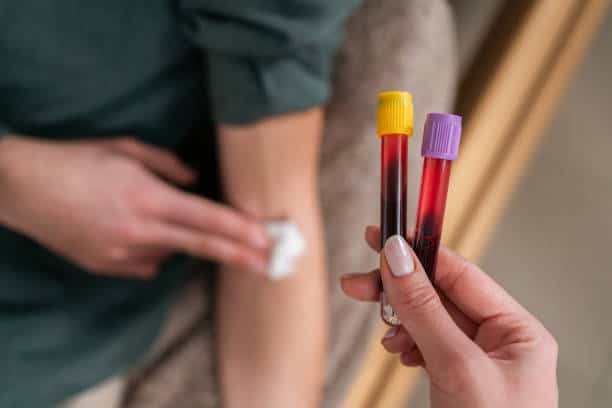
Test, don’t guess. Fatigue, low drive, and stalled gym progress are real signs of low testosterone, but they’re also signs of poor sleep, stress, and half a dozen medical conditions. A morning blood test settles the question in a way no supplement label can — our guide to testing your testosterone levels explains the timing and what the numbers mean.
If two properly timed tests come back low and the symptoms fit, that’s hypogonadism — a medical condition with a medical answer. Doctor-supervised testosterone replacement therapy is the treatment with actual clinical evidence behind it, which is more than the supplement aisle can say.
Been cycling through testosterone boosters and still feel flat? Skip the guesswork. Boost Health Clinic runs comprehensive hormone panels in Jakarta and Bali, and our doctors will tell you plainly whether you need treatment, a lifestyle reset, or neither.
Testosterone replacement therapy near you: TRT in Bali · TRT in Jakarta