

The link between GLP-1 and alcohol cravings turned up almost by accident. Men who started semaglutide or tirzepatide to lose weight kept telling their doctors the same odd thing: the beer they used to crave after work had lost its pull. Anecdote has since hardened into data, and a 2025 clinical trial suggests the effect is real, if still early. Here’s what the science actually shows, and where it stops short.
What the research says about GLP-1 and alcohol cravings
The strongest evidence so far comes from a randomized trial published in JAMA Psychiatry in early 2025. Researchers gave 48 adults with alcohol use disorder either low-dose semaglutide — the active ingredient in Ozempic and Wegovy — or a placebo for nine weeks. The semaglutide group drank less during a monitored lab session and, more tellingly, reported weaker weekly cravings. A subgroup who also smoked cut back on cigarettes.
Two caveats matter. The trial was small, ran only nine weeks, and used doses below what most people take for weight loss. It also skewed heavily female, so the numbers don’t map cleanly onto men yet. Scientists are still early in mapping how GLP-1 and alcohol interact in the body, but the direction lines up with a stack of earlier work: large register-based studies found that people on GLP-1 medications end up hospitalized for alcohol-related problems less often than expected.
Why GLP-1 and alcohol cravings might be connected in the brain
Craving is a brain event, and that’s exactly where these drugs seem to act. GLP-1 receptors sit not only in the gut and pancreas but inside the mesolimbic reward system — the ventral tegmental area and nucleus accumbens that flood with dopamine when you eat, drink, or use something you enjoy. In animal studies, GLP-1 drugs blunt the dopamine spike alcohol normally produces. Turn down that spike and the reward feels smaller, so the urge to chase it again fades. That shared reward pathway is the likeliest reason GLP-1 and alcohol cravings seem to travel together.
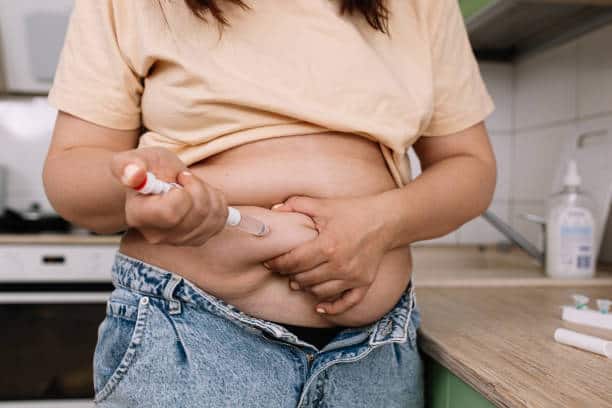
There’s a simpler layer too. The same slowed digestion that keeps you full on a GLP-1 can make a heavy meal — or a few drinks — sit uncomfortably. For a lot of men, the second beer just stops sounding good, and the third never gets opened.
What GLP-1 medications look like at the clinic
We prescribe GLP-1 medications mainly for weight loss, and the alcohol effect shows up as a bonus rather than the goal. The pattern we see is rarely dramatic — it’s a slow fading of interest, and patients often mention, unprompted, that their weekend drinking has quietly dropped off. For men whose weight gain and drinking feed each other, that can be a useful loop to break. Alcohol is dense in empty calories, and it drags on both fat loss and sleep — trimming it tends to speed up everything the medication is meant to do. If you want the mechanics, our guide on how semaglutide works for weight loss walks through it.
The hormone angle is worth naming. Heavy drinking suppresses testosterone, and excess body fat quietly converts testosterone to estrogen. Anything that pares back both drinking and weight can nudge a man’s hormone profile in a better direction — one reason weight-loss medications can help restore testosterone in some patients.
The catch: alcohol still doesn’t mix cleanly with these drugs
None of this makes drinking on a GLP-1 a smart move. Alcohol and these medications share side effects — nausea, an unsettled stomach — and both can lower blood sugar, a real concern for anyone also taking insulin or a sulfonylurea. Drink on a day the nausea is already lurking and you’ll probably regret it. The honest read is that a GLP-1 may lower your desire to drink, not raise your tolerance for it. If you do drink, keep it light, eat first, and skip it entirely on dose-increase days.
The bigger picture on GLP-1 and alcohol
Zoom out and the GLP-1 and alcohol story fits a pattern researchers keep bumping into: these drugs seem to quiet a range of appetites, not just for food. That’s promising, but it’s not a licence to self-medicate. No GLP-1 drug is approved for alcohol use disorder; every use for that purpose is off-label and still under study, with larger trials now running. If cutting back on alcohol is your main goal, that belongs with a clinician who treats addiction directly — not a reason to start an injection on your own. And because rapid weight loss carries its own trade-offs, it’s worth understanding issues like GLP-1 and muscle loss before you begin.
If you’re already a candidate for weight loss and you notice the cravings easing, that’s a welcome side effect worth flagging to your doctor. Curious which drug does what? Compare the main options in our breakdown of Ozempic vs Mounjaro before you decide.
At Boost Health Clinic, we build GLP-1 plans around the whole picture — weight, hormones, and the habits sitting underneath both. If you’re wondering whether a GLP-1 fits your goals, our team is ready to talk it through.