
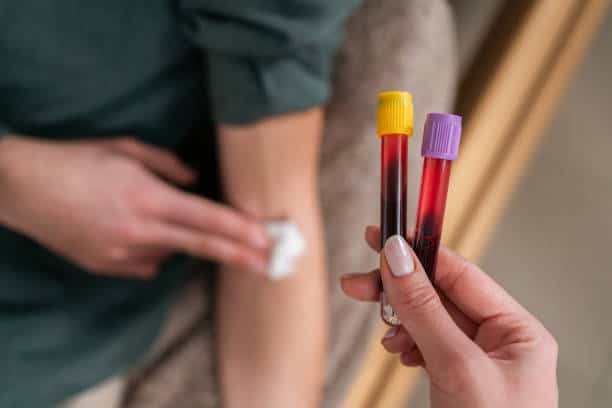
How to Read SHBG and Testosterone on Your Blood Test
Getting to grips with SHBG and testosterone is the first step to reading your blood test correctly. SHBG, short for sex hormone-binding globulin, controls how much of your testosterone the body can actually use. Here’s what the marker shows, why it shifts, and how it changes your treatment options. Most men fixate on total testosterone, but that single number rarely tells the whole story, because SHBG binds tightly to testosterone and often decides how you feel day to day.
What SHBG and testosterone mean on a lab report
SHBG is a protein made mostly by your liver. It circulates in the blood and grabs onto sex hormones, testosterone and estrogen included. Roughly 45% to 65% of the testosterone in a man’s blood stays bound to SHBG, which leaves only a small slice moving freely. Just 2% to 3% floats completely free and ready to act, while the loosely albumin-bound share stays usable too, and together those form your bioavailable testosterone. The free hormone hypothesis explains why that fraction drives the real symptoms.
Picture two men with the same total testosterone. One has high SHBG, so most of his hormone is locked away; the other has low SHBG, so more reaches his tissues, and they feel very different despite matching numbers. That gap explains a common frustration: some men post a normal total yet still battle fatigue, low libido or brain fog, the classic signs of low testosterone in men. Checking free or bioavailable testosterone often reveals the real problem. Labs estimate the free number two ways, a formula using total testosterone, SHBG and albumin, or a direct assay that varies in accuracy, but either way a thorough clinic always orders SHBG alongside the total.
What raises and lowers your SHBG levels
Your SHBG level isn’t fixed; it rises and falls with your metabolism, age and overall health, so knowing the drivers helps you read your results. Several things push it down, and high insulin is the biggest, since insulin tells the liver to make less. That’s why obesity, a high-sugar diet and an underactive thyroid all tend to lower it. Insulin resistance and low SHBG feed each other in a documented metabolic loop, which is why belly fat and testosterone stay so closely linked. Aging and thyroid shifts push SHBG the other way. Lifestyle moves it too: steady weight loss, strength training and better sleep nudge the protein toward a healthier range, while crash diets and heavy drinking swing it the wrong way, so small consistent habits beat dramatic short-term fixes.
High SHBG vs low SHBG: what you might feel
The two extremes feel different. High SHBG can mimic low testosterone, since so little hormone stays free, and men often report low energy, weak libido and poor recovery even with healthy total numbers. Low SHBG carries its own risks, frequently flagging insulin resistance, metabolic syndrome or fatty liver; more free testosterone might sound helpful, but the underlying metabolic problem still needs attention. Both extremes deserve a closer look, and context always wins, since a single marker never tells the whole story, so your doctor weighs symptoms, lifestyle and the full panel before acting.
How SHBG and testosterone guide your treatment
Read together, SHBG and testosterone shape the right plan for you. When SHBG runs high, a man may need a strategy that frees up more usable hormone; when it runs low, doctors watch estrogen and other markers more closely, and you can explore that balance in our article on TRT and estrogen. A full picture needs the right tests, and since total testosterone alone misleads, a good panel measures SHBG, free testosterone and estradiol together. To prepare well, see our guide on how to test your testosterone levels and what counts as a dangerously low level.
Checking your testosterone the right way
You can’t fix what you don’t measure. A complete hormone panel turns guesswork into a clear plan and shows whether your symptoms match your biology, and our blood test service covers the markers that matter most. At Boost Health Clinic, if your results come back low, you can book a consultation and explore our testosterone replacement therapy options. Clear answers start with the right blood test: we offer hormone and testosterone blood tests in Jakarta and Bali, with a home visit or an in-clinic appointment, so you can find out exactly where your testosterone stands.
Testosterone replacement therapy near you: TRT in Bali · TRT in Jakarta