
Understanding TRT and hematocrit is essential for any man on testosterone therapy. Hematocrit measures the percentage of red blood cells in your blood, and testosterone has a well-documented effect on red cell production, which makes it the lab value clinicians watch most closely. An elevated reading is also the most common reason a patient has to pause or adjust treatment. Here’s why levels rise, what the numbers mean, and how to keep them in a safe range, drawn from monitoring this marker on every patient at Boost Health Clinic.
What TRT and hematocrit have in common
Testosterone stimulates the bone marrow to make more red blood cells, so men on therapy often watch hematocrit climb within the first three to six months. Most healthy men start near 42 to 46 percent, and after starting therapy the number can rise into the high forties or beyond. Testosterone also lowers hepcidin, a hormone that controls iron availability, so with more iron free to enter red cells, production speeds up, and it reduces the kidney’s sensitivity to oxygen, which keeps EPO output higher. Dosing patterns matter too: larger, less frequent injections cause sharper testosterone peaks that drive bigger jumps in red cell mass, which is why many clinicians split the dose, so see our comparison of injection frequency for the trade-offs. Gels and oral options like enclomiphene raise hematocrit less than injections do.
How high hematocrit affects your health
Most men tolerate a modest rise without symptoms, but once hematocrit climbs above 54 percent, blood viscosity increases and clotting risk goes up. The American Urological Association guideline flags 54 percent as the threshold for action, and research indexed by the NIH links secondary erythrocytosis from testosterone to a small rise in cardiovascular risk. Some men notice headaches or a ruddy complexion, but many feel nothing at all, which is exactly why routine bloodwork matters more than how you feel. For a broader view, see our article on whether TRT is safe.
How to manage high hematocrit
A few steps bring an elevated reading back into line:
- Hydrate. A dehydrated man can post several points higher, so drink plenty of water in the days before a blood draw.
- Adjust the dose. Lowering the weekly dose by 10 to 20 milligrams often pulls hematocrit back into range within two months.
- Split the dose. Breaking your weekly amount into smaller injections smooths out the peaks, and for technique, see our guide to self-injecting testosterone.
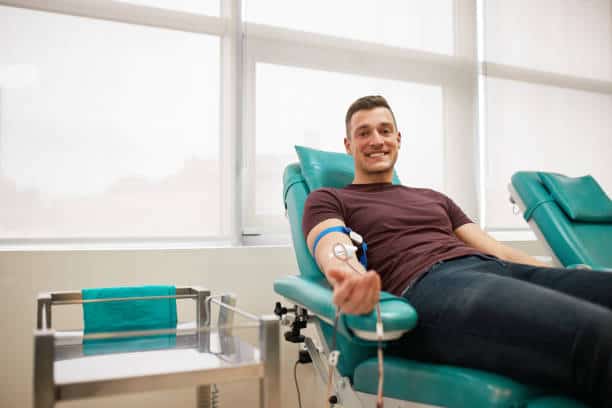
- Consider phlebotomy. Donating a unit of blood quickly lowers red cell mass; most blood banks accept TRT patients, and a single donation can drop hematocrit by 3 to 4 points.
- Fix the lifestyle drivers. Sleep apnea and smoking both raise hematocrit independent of TRT, so treating apnea or quitting tobacco can resolve borderline cases without changing your dose.
Monitoring TRT and hematocrit during therapy
A baseline complete blood count belongs in every pre-treatment workup, and after starting therapy you should recheck at three months, six months, then yearly. For a full picture of what to expect, see our 12-week TRT timeline. Tracking these values early prevents most problems. If you pause or stop therapy, hematocrit usually normalizes within two to three months, and our article on what happens when you stop TRT covers the full recovery picture. Men preserving fertility should also read our piece on hCG with TRT.
Boost Health Clinic schedules quarterly bloodwork for every patient, and our physicians proactively suggest hydration, dose changes or phlebotomy as needed. If you want a TRT program that takes TRT and hematocrit seriously, our team is here to help. Related: maintaining healthy blood values also means watching nutrient intake, so see our guide on vitamin B12 dosage for men.
Considering treatment? See how doctor-led testosterone replacement therapy works at Boost Health Clinic in Indonesia.
Need blood work? See our blood tests for men in Indonesia, available as blood tests in Bali and blood tests in Jakarta.
Testosterone replacement therapy near you: TRT in Bali · TRT in Jakarta
Related reading: Why Low Testosterone and Anemia Often Show Up Together · How TRT and Kidney Function Are Actually Connected
This article is general information and not medical advice. All treatments mentioned require assessment by a qualified doctor.