
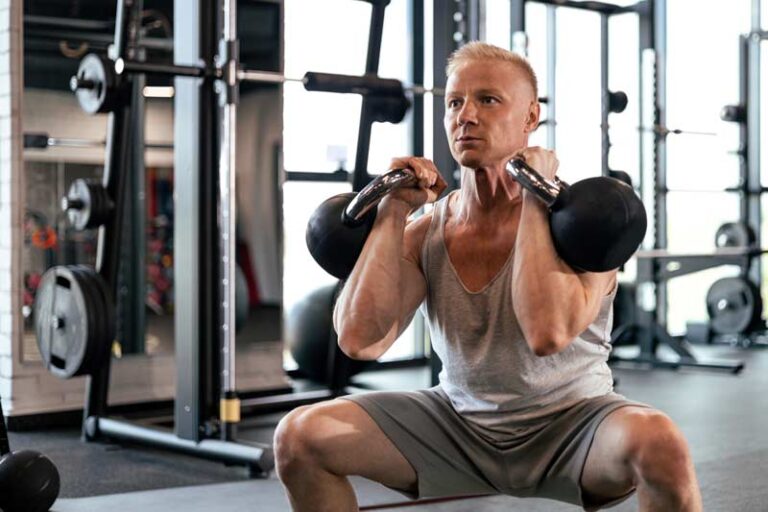
Yes, TRT can help with weight loss in men who truly have low testosterone, but it’s not a magic fat-loss injection. It works by fixing a hormone problem so your effort with diet and training actually pays off. If your testosterone is normal and you’re hoping TRT will replace lifestyle changes, it won’t.
As men get older, a lot of them notice the same pattern: the gym sessions are still there, the diet hasn’t changed much, but the belly keeps growing. The scale barely moves, muscle looks softer, and energy drops. Aging plays a role, but for many men in Indonesia, low testosterone is also a big part of why fat loss suddenly feels so hard.
This article explains how testosterone affects your weight, when TRT can help, and why your habits still decide most of your results.
How Low Testosterone Makes Fat Loss Harder
Testosterone is one of the main hormones that keeps men lean, strong, and motivated. It influences:
-
Muscle growth and strength
-
How many calories you burn at rest
-
Where your body stores fat
-
Drive, mood, and overall energy
When testosterone drops below a healthy range, men often notice:
-
More fat around the stomach and chest
-
Harder time building or keeping muscle
-
Slower recovery from workouts
-
Low energy, low libido, and lower motivation
That creates a loop that’s hard to break:
-
Less testosterone → less muscle
-
Less muscle → slower metabolism
-
Slower metabolism → easier fat gain, especially around the belly
-
More belly fat → more estrogen, which can push testosterone down even further
So you can be doing “what always worked” and still gain fat, simply because the hormonal environment has changed.
If you recognise this pattern, the next step is not to guess, but to measure your testosterone with a proper blood test.
How TRT Can Support Weight Loss
If tests confirm that your testosterone is genuinely low, Testosterone Replacement Therapy (TRT) can help bring your levels back into a normal, healthy range. Once that happens, a few things tend to shift over time:
-
You rebuild or maintain more lean muscle, which burns more calories
-
Your basal metabolic rate (calories burned at rest) can improve
-
Stubborn belly fat often becomes easier to lose
-
Energy, mood, and motivation come back, which makes it easier to stick to a plan
TRT doesn’t directly burn fat the way a stimulant or a GLP-1 medication might. Instead, it removes one of the major brakes on fat loss for men with low T. That’s why research shows improvements in body composition (less fat, more muscle) rather than rapid “crash diet” style weight changes.
Why Lifestyle Still Decides Most of the Result
This is the part that many guys quietly underestimate. TRT changes the environment, but your daily choices still decide most of the outcome.
To actually see the difference in the mirror, you still need:
1. A Sensible Nutrition Plan
-
Enough protein at each meal to support muscle
-
Mostly whole foods instead of ultra-processed snacks. So focus on foods that support testosterone naturally.
-
Awareness of total calories, especially from sugary drinks and alcohol
2. Regular Strength Training and Movement
-
Lifting weights 2–4 times per week to give your body a reason to use that testosterone
-
Walking or light cardio most days to support heart health and calorie burn
3. Proper Sleep and Stress Management
-
Aiming for 7–9 hours of sleep when possible
-
Managing stress so cortisol doesn’t stay constantly elevated, which makes belly fat harder to lose. Sleep and hormones interact a lot with each other.
TRT plus bad sleep, junk food, and no movement will still feel better than low T with bad habits, but it’s not going to deliver the kind of transformation most men hope for.
Who Is (and Isn’t) a Good Candidate for TRT?
TRT is not meant for every man who feels tired or wants to drop a few kilos.
You might be a good candidate if:
-
Blood tests show clinically low testosterone
-
You have clear symptoms: low energy, low libido, low mood, poor recovery, stubborn fat gain
-
Other medical causes have been checked (thyroid, serious illness, etc.)
-
You are medically cleared for hormone therapy
You are not a good candidate if:
-
Your testosterone is already normal and you just want a shortcut
-
You’re hoping TRT will replace sleep, nutrition, and training
-
You want “cycling” or bodybuilder-style dosing rather than medical treatment
The only way to know for sure is to start with proper blood work and an honest conversation with a provider who isn’t just trying to sell you a package.
How Boost Health Clinic Approaches TRT in Indonesia
At Boost Health Clinic, we focus on men in Indonesia who want to get to the root of issues like low energy, stubborn weight gain, and sexual health problems, not just hide the symptoms.
Our approach typically includes:
-
Comprehensive blood testing to look at testosterone, other hormones, and general health
-
A clear explanation of your results in normal language, not just numbers
-
A personalised TRT protocol if you truly have low T and it’s safe to treat
-
Regular follow-up to monitor testosterone levels, blood counts, estradiol, and side effects
-
Guidance on nutrition, training, sleep, and stress so the treatment actually turns into results
If you’re in Jakarta, Bali, or another Indonesian city and you’re wondering whether TRT is right for you, the first step isn’t to start injections. The first step is to get your levels checked and see whether hormones are really the problem.