
Hair Loss Treatment
GET STARTED NOW
Hair Loss Treatment in Indonesia: Finasteride and Minoxidil at Boost Health Clinic
For millions of men around the world, hair loss is more than a cosmetic concern — it chips away at confidence, self-image, and even mental well-being. In Indonesia, where a growing number of expats and locals are paying closer attention to men’s health, the demand for clinically proven hair loss treatments has never been higher. At Boost Health Clinic, we offer medically supervised finasteride and minoxidil therapy, widely considered the gold standard for treating male pattern baldness.
Understanding Male Pattern Baldness
Androgenetic alopecia — commonly known as male pattern baldness — affects roughly half of all men by age 50, according to research published by the American Academy of Dermatology. The condition is driven largely by genetics and the hormone dihydrotestosterone (DHT), a byproduct of testosterone. DHT gradually shrinks hair follicles on the scalp, shortening the growth cycle until the follicles stop producing visible hair altogether.
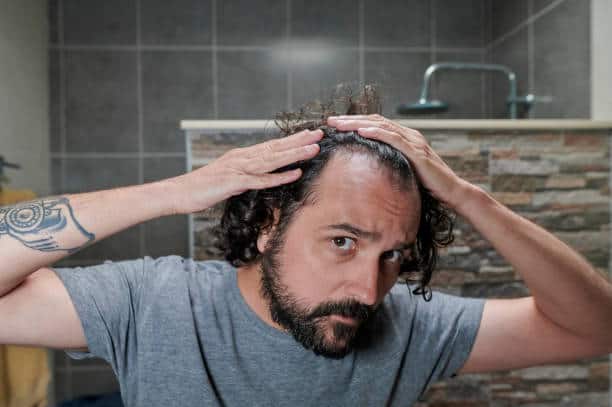
The typical pattern begins with a receding hairline at the temples, followed by thinning at the crown. Left untreated, these areas can merge into more extensive baldness over the years. The earlier a man begins treatment, the better the chances of slowing — or even partially reversing — the process.
Why Hair Loss and TRT Are Connected
Men undergoing testosterone replacement therapy (TRT) sometimes notice increased hair shedding. This happens because higher testosterone levels can lead to more DHT production, which accelerates follicle miniaturization in genetically predisposed men. That does not mean TRT causes baldness outright — genetics remain the primary driver — but it can speed up what was already underway.
This is exactly why Boost Health Clinic offers hair loss treatment alongside our TRT programs. Addressing both hormone optimization and hair preservation gives patients a more complete approach to men’s health, rather than forcing them to choose between feeling their best and keeping their hair.
How Finasteride Works
Finasteride is an oral medication taken once daily, typically at a 1 mg dose for hair loss. It works by blocking the enzyme 5-alpha reductase, which converts testosterone into DHT. Clinical trials have shown that finasteride reduces scalp DHT levels by roughly 60 to 70 percent, which is often enough to halt further hair loss and, in many cases, stimulate meaningful regrowth.
A landmark study published in the Journal of the American Academy of Dermatology found that after two years of treatment, 83 percent of men taking finasteride maintained or increased their hair count compared to baseline. The medication has been approved by the U.S. Food and Drug Administration (FDA) since 1997 and has a well-established safety profile when prescribed under medical supervision.
Common side effects are uncommon and may include slight changes in libido, which typically resolve after discontinuation. Our doctors at Boost Health Clinic discuss potential side effects thoroughly during the initial consultation, and we monitor patients with regular blood tests to ensure overall health remains on track.
How Minoxidil Works
Minoxidil takes a different approach entirely. Available as a topical solution or foam applied directly to the scalp, minoxidil works locally by widening blood vessels around hair follicles. This increased blood flow delivers more oxygen and nutrients to follicles, encouraging them to shift from the resting phase back into the active growth phase.
Unlike finasteride, minoxidil does not affect DHT levels at all. It was originally developed as an oral blood pressure medication, and hair growth was discovered as a welcome side effect. Today, the 5 percent topical formulation is the standard recommendation for men, applied twice daily to the affected areas of the scalp.
Research from the National Institutes of Health confirms that minoxidil can produce visible improvement in hair density within three to six months of consistent use. Results are best when treatment is started early and maintained over the long term.
The Power of Combining Both Treatments
While finasteride and minoxidil each deliver meaningful results on their own, combining the two produces significantly better outcomes. The logic is straightforward: finasteride tackles the hormonal root cause by reducing DHT, while minoxidil stimulates follicle activity from the outside. Together, they address hair loss from two entirely different angles.
Multiple peer-reviewed studies have confirmed that dual therapy outperforms either medication alone. Patients using both treatments typically see greater hair density, faster visible improvement, and better long-term maintenance compared to monotherapy. For men serious about preserving their hair, the combination approach is what most dermatologists and hair loss specialists recommend worldwide.
Who Is a Good Candidate?
Hair loss treatment with finasteride and minoxidil is most effective for men experiencing early to moderate androgenetic alopecia. Ideal candidates include men who are noticing a receding hairline or thinning at the crown, those currently on testosterone therapy who want to mitigate potential hair thinning, men who prefer a non-surgical approach before considering transplants, and anyone looking to maintain their current hair rather than wait until significant loss has occurred.
During your consultation at Boost Health Clinic, our doctors assess your hair loss pattern, review your medical history, and may recommend blood work to check hormone levels, including testosterone and DHT. This ensures we tailor the right treatment plan for your specific situation.
The Boost Health Clinic Approach
We treat hair loss the same way we approach every aspect of men’s health — with thorough diagnostics, personalized treatment plans, and ongoing medical supervision. There is no one-size-fits-all prescription here. Some patients may benefit from finasteride alone, while others will see the best results with a combined protocol. Men on Clomid or HCG therapy for fertility preservation may require adjusted protocols, which our team handles with care.
Consultations are available at our clinics in Jakarta and Bali, as well as online for patients elsewhere in Indonesia. We also provide treatment in Surabaya, Bandung, and other major cities. Prescriptions are managed and fulfilled through licensed pharmacies, and follow-up appointments ensure your treatment is working as expected.
What to Expect from Treatment
Hair loss treatment is not an overnight fix. Most men begin to notice reduced shedding within the first one to three months. Visible regrowth typically becomes apparent between months three and six, with continued improvement over the first year of treatment.
Consistency is critical. Both finasteride and minoxidil require ongoing use to maintain results. Discontinuing treatment generally leads to a gradual return of hair loss over several months, as the underlying genetic factors remain unchanged.
Our team stays in contact throughout your treatment journey, adjusting dosages or approaches as needed. We also keep an eye on any other health factors — particularly for patients who are simultaneously managing erectile dysfunction, weight management, or hormonal health through our other programs.
Take the First Step
Hair loss does not have to be something you simply accept. With the right medical guidance and proven treatments like finasteride and minoxidil, most men can significantly slow or reverse the process. At Boost Health Clinic, we make it straightforward to get started — no awkward pharmacy visits, no guesswork, just evidence-based care from doctors who specialize in men’s health.
Ready to take control of your hair loss? Book a consultation today at Boost Health Clinic and find out which hair loss treatment plan is right for you.
Related Treatments
Hair loss in men is often related to hormonal changes, including those caused by testosterone replacement therapy. Our doctors can help manage DHT-related hair loss while you continue your TRT protocol.