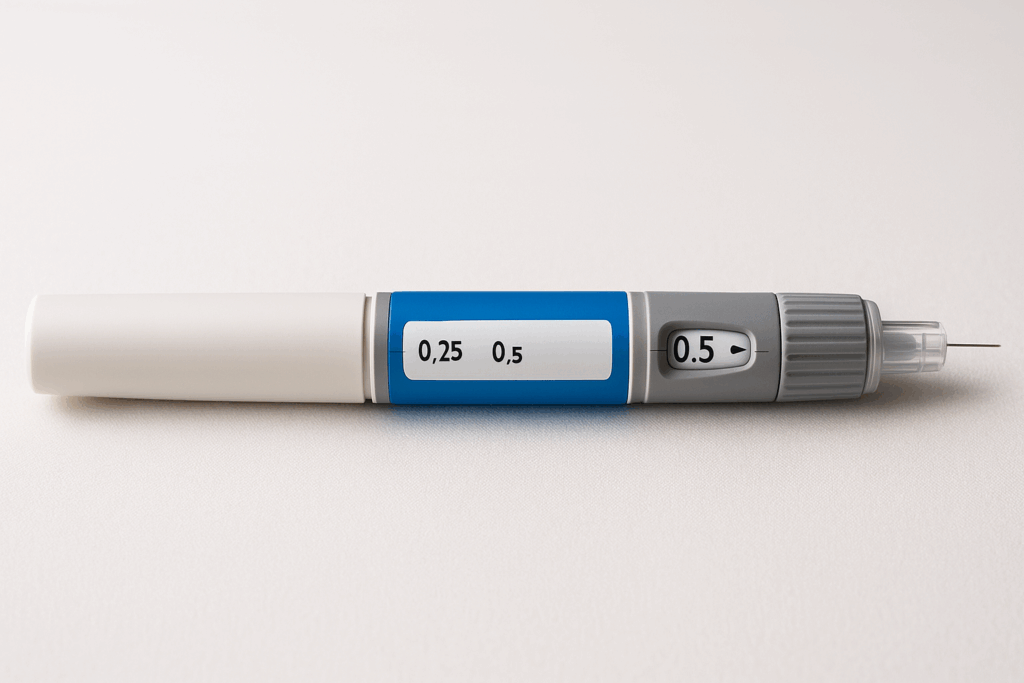
Ozempic (semaglutide) and Mounjaro (tirzepatide) have changed the conversation around weight loss. For many people, they reduce appetite, improve blood sugar control, and make steady fat loss possible after years of struggle.
But they’re not “easy mode.” Side effects are common, and some of the biggest problems come from things people don’t expect: eating too little, moving too little, titrating too fast, or stopping without a plan.
Here are 10 side effects we see most often, and what actually helps in real life.
1) Nausea
Nausea is the classic GLP-1 issue, especially in the first few weeks or after a dose increase.
What helps
-
Eat smaller meals, more often (think 4–6 small meals)
-
Prioritize protein first, then carbs, then fats
-
Avoid greasy foods and large portions
-
Don’t lie down right after eating
-
Sip fluids slowly through the day
Most people improve within 2–3 weeks if dosing is increased gradually.
2) Feeling overly full, bloating, or reflux
These medications slow gastric emptying. If you eat like you used to, you’ll pay for it.
What helps
-
Reduce portion sizes by 30–50%
-
Stop eating when you feel “comfortable,” not stuffed
-
Cut fizzy drinks and heavy, fatty meals
-
Try a short walk after meals
If reflux becomes frequent, it’s worth reviewing meal timing and dose.
3) Constipation
Constipation is very common with Ozempic and Mounjaro, especially as appetite drops and people forget fluids and fiber.
What helps
-
Aim for 25–30g fiber per day (slowly build up)
-
Increase water intake consistently
-
Add daily walking
-
Consider psyllium husk if diet fiber is low
If someone hasn’t had a bowel movement in several days and has pain or vomiting, that’s a red flag.
4) Diarrhea or loose stools
Some people start with loose stools, especially if they eat high-fat meals while on the medication.
What helps
-
Temporarily lower fat intake
-
Keep meals simple (lean protein, rice/potato, cooked vegetables)
-
Consider probiotics if symptoms persist
5) Fatigue
This often isn’t “the drug.” It’s the calorie drop. People can end up under-eating, under-hydrating, and losing electrolytes.
What helps
-
Make sure they are eating enough protein and total calories
-
Don’t remove carbs entirely, especially if training
-
Check basic labs if fatigue is persistent (electrolytes, iron status, thyroid, etc.)
-
Improve sleep consistency (this matters more than people think)
6) Dry mouth
Dry mouth happens when appetite drops and people drink less than they realize.
What helps
-
Build a hydration routine (don’t wait for thirst)
-
Sugar-free gum or mouthwash can help
-
Reduce alcohol and high caffeine intake if symptoms are bad
7) Palpitations or “racing heart”
This can be from dehydration, low electrolytes, too little food, or too much caffeine. Rapid weight loss itself can also make the nervous system more “on.”
What helps
-
Hydration plus electrolytes
-
Reduce caffeine and stimulants
-
Review calorie intake (too low is common)
If palpitations persist, come with chest pain, fainting, or shortness of breath, the patient should get evaluated.
8) Weight loss plateau
Plateaus are normal. Metabolism adapts. Appetite may creep back up. And activity often drops without people noticing.
What helps
-
Focus on body composition, not just scale weight
-
Increase resistance training (this is the real lever)
-
Keep protein high and consistent
-
Track intake for 1–2 weeks to see what’s actually happening
-
Consider “calorie cycling” (not starving every day)
Sustainable fat loss is usually 0.5–1.0 kg per week, not faster.
9) Muscle loss
This one matters. If people lose weight quickly without strength training and protein, a chunk of the weight can be lean mass.
What helps
-
Strength training at least 3x/week
-
Protein with every meal
-
Don’t chase the fastest loss possible
-
Aim to keep performance in the gym steady or improving
This is one of the biggest reasons we push resistance training from day one.
10) Weight regain after stopping
Here’s the truth: if someone stops and goes back to old habits, weight often returns. The medication helped regulate appetite and cravings. Without a plan, biology wins.
What helps
-
Plan an “exit strategy” from the beginning
-
Transition to the lowest effective maintenance approach (dose, lifestyle, or both)
-
Keep protein + strength training consistent
-
Add structured check-ins for 8–12 weeks after stopping
Stopping abruptly without a maintenance plan is one of the most common reasons for regain.